Storyboard Artists: Get Studio-Ready in 12 Months — Mentored by Working Pros from Pixar, Disney & Lucasfilm
A 12-month mentorship that turns your portfolio from “hobbyist” into “hireable” — weekly feedback from artists boarding at the studios right now.
Watch the short breakdown, then book a free Portfolio Review Call to see if it’s a fit.
Free 20–30 min call · No pressure, no hard sell · Real feedback on your work
Next cohort opens September 8 — limited seats. Apply now to claim yours before they’re gone.
You Can Draw. So Why Do Studios Keep Saying “Not Quite Ready”?
Art school taught you to draw. It didn’t teach you to storyboard like a pro — and that’s the exact skill studios hire for.
So you spent $60,000–$100,000 on a degree, and your portfolio is full of figure drawings and personal pieces — nothing that proves you can board a real scene.
You send portfolios and you get:
The real cost isn’t frustration — it’s time. Every month you wait is another month you’re not earning $400–$600 a day as a storyboard artist, and not getting closer to seeing your name in the credits.
If nothing changes, 12 months from now you’re in the same spot — just more burned out and doubting yourself even more.
Studios Don’t Hire Your Diploma. They Hire Your Portfolio.
Studios don’t care where you went to school. They hire you because your portfolio proves you can solve story problems at a professional level.
Your portfolio is your audition. It has to show:
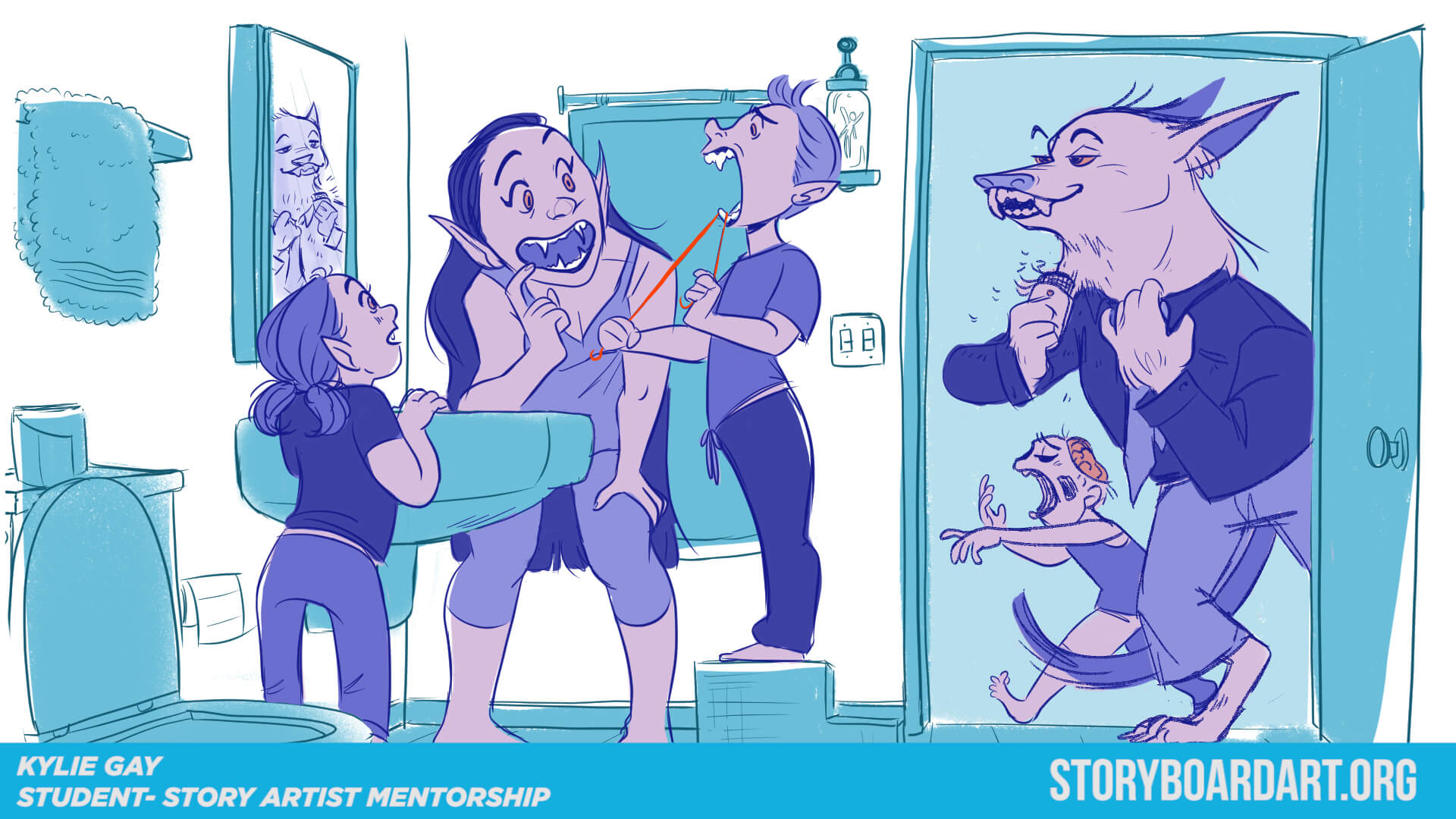


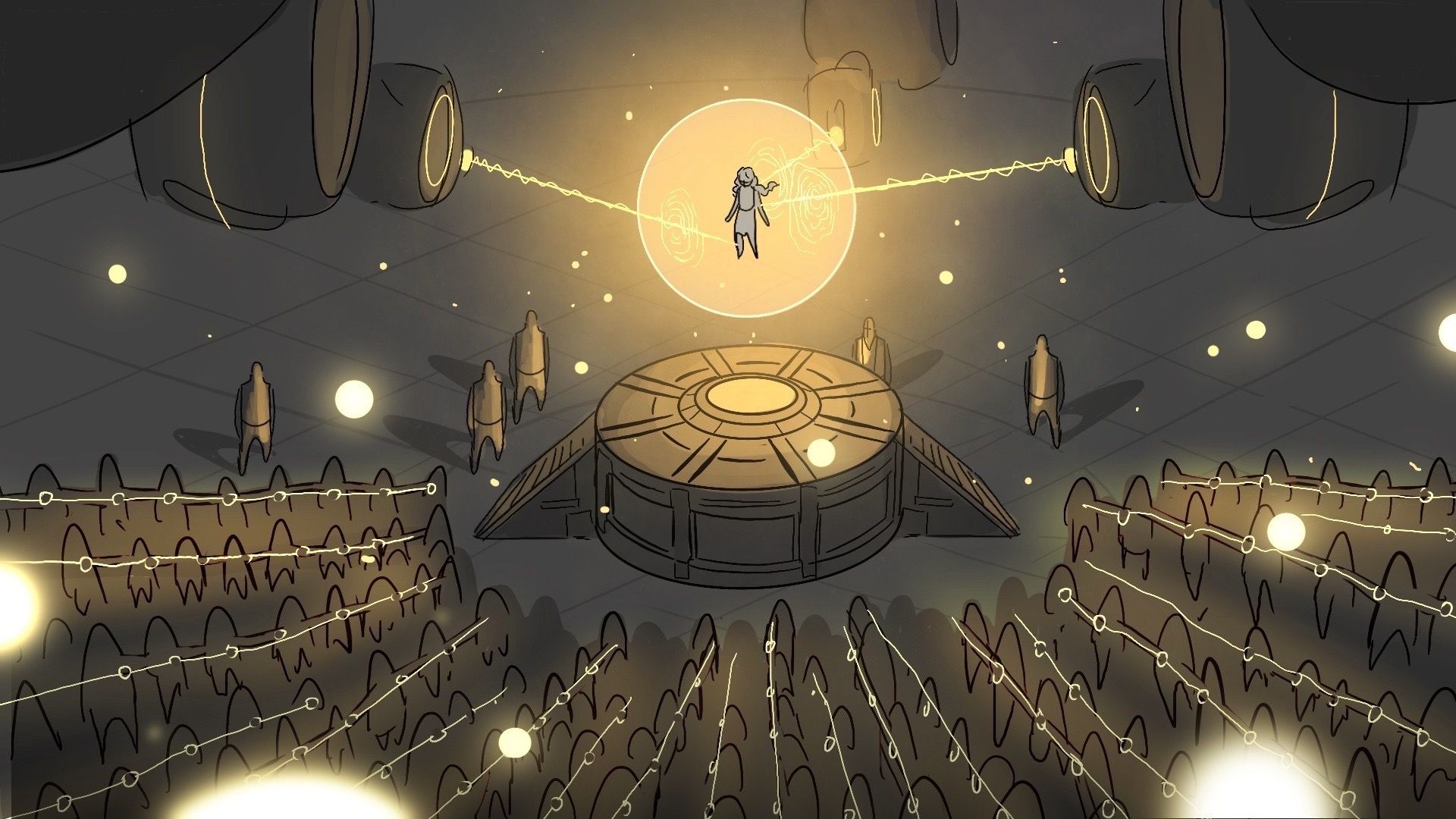
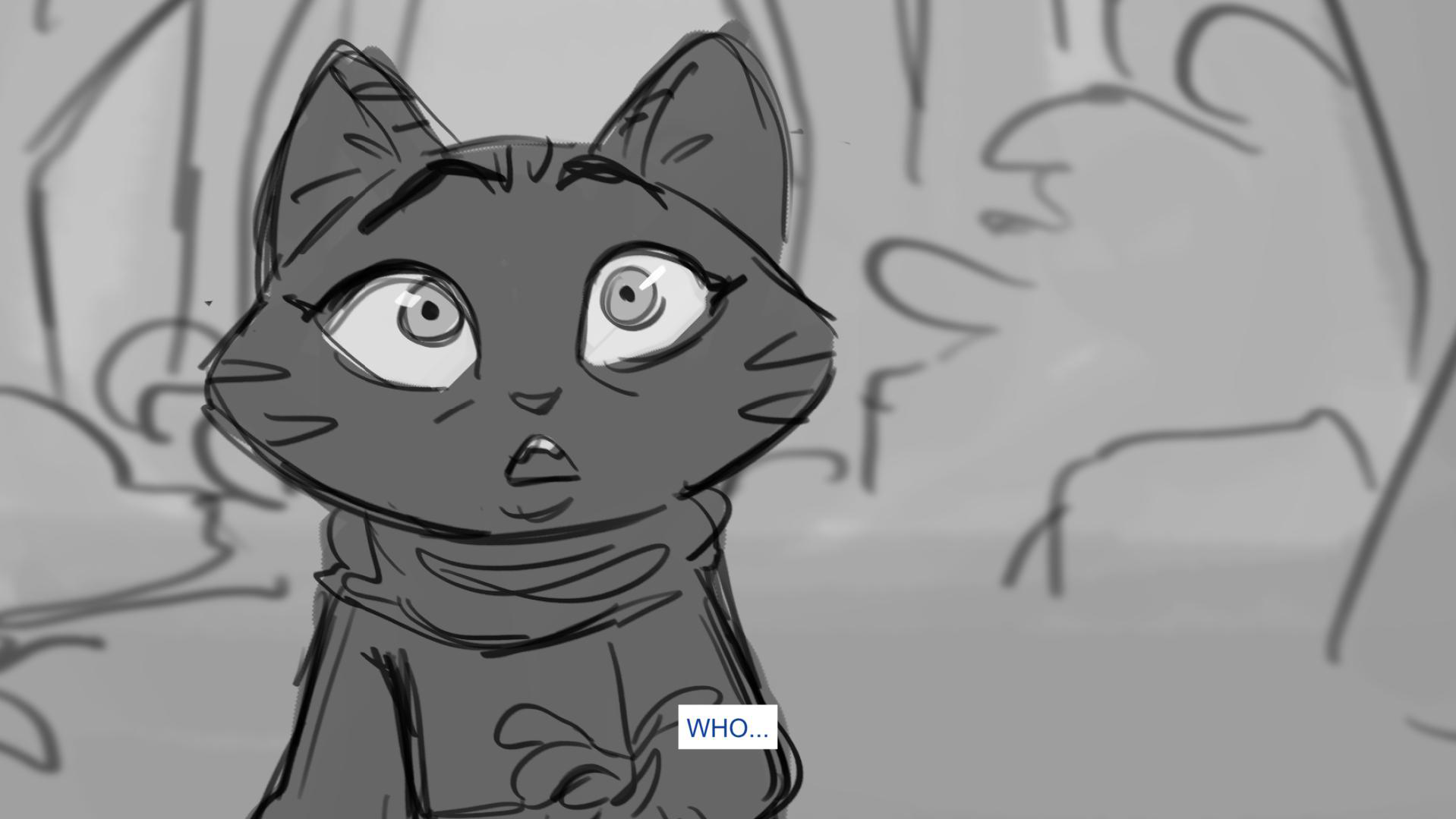
If you can show that on the page, studios don’t care about your age, your location, or your diploma. They care that you can deliver.
The Mentorship is built to do exactly that: help you create a portfolio that passes a director’s test, not just a teacher’s.
Apply for a Portfolio Review CallThis Isn’t a Course. It’s an Apprenticeship.
Inside real studios, junior artists don’t learn from tutorials. They grow through apprenticeship: they pitch, get notes from a supervisor, revise, and repeat until the work is approved.
Watching more videos can’t replicate that. That’s like trying to become a surgeon from YouTube.
The Story Artist Mentorship recreates the studio environment:
The difference is mentorship, not more information. That’s why artists tell us they learned more in 12 months here than in 4 years of art school.
Let’s Be Honest About Whether This Is Right For You
This is for you if:
This is NOT for you if:
This program is for serious artists ready to put in the work. If that’s not you, no hard feelings — there’s no need to apply.
There Are More Storyboard Jobs Right Now Than Trained Artists To Fill Them
Three things are happening at once — and they’re in your favor:


Most of our students go from $25k–$45k day jobs to $400–$600/day — $80,000–$150,000+ a year.
*U.S. Bureau of Labor Statistics. Income figures are averages and past student results; individual earnings vary.
Maximum demand, maximum access, a broken education system leaving graduates unprepared. If you have the right training, you can land jobs faster than at any point in the last 20 years — but that window won’t stay open forever.
The System: Apprenticeship + Portfolio + Network
You train directly with story supervisors and directors who are currently working at Disney, Pixar, Lucasfilm, Warner Bros., and Netflix — not retired teachers. Every month they review your assignments and give detailed feedback, and you revise until your boards are portfolio-ready.
The Story Artist Success Path
Film language, staging, story structure. We strengthen your fundamentals in the first three months of the mentorship.
Drawing efficiency, software, animatics, film analysis — think like a mini-director.
Script to animatic. We will execute story sequences in different genres, such as comedy, drama, action, and build up to having three to five portfolio-level sequences.
Build 3–5 studio-ready sequences, then learn to network, contact hiring managers, and position yourself as a pro.
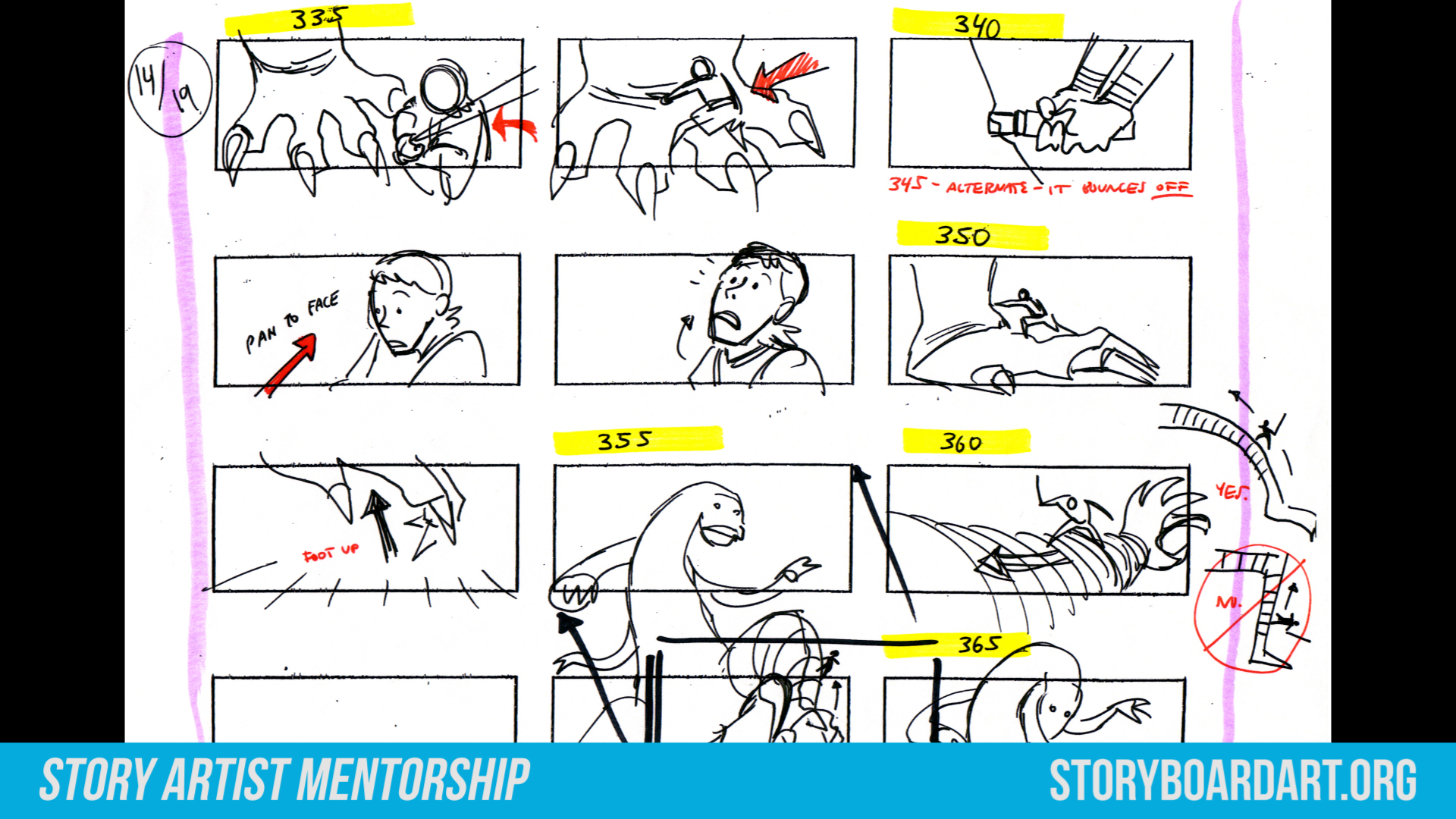
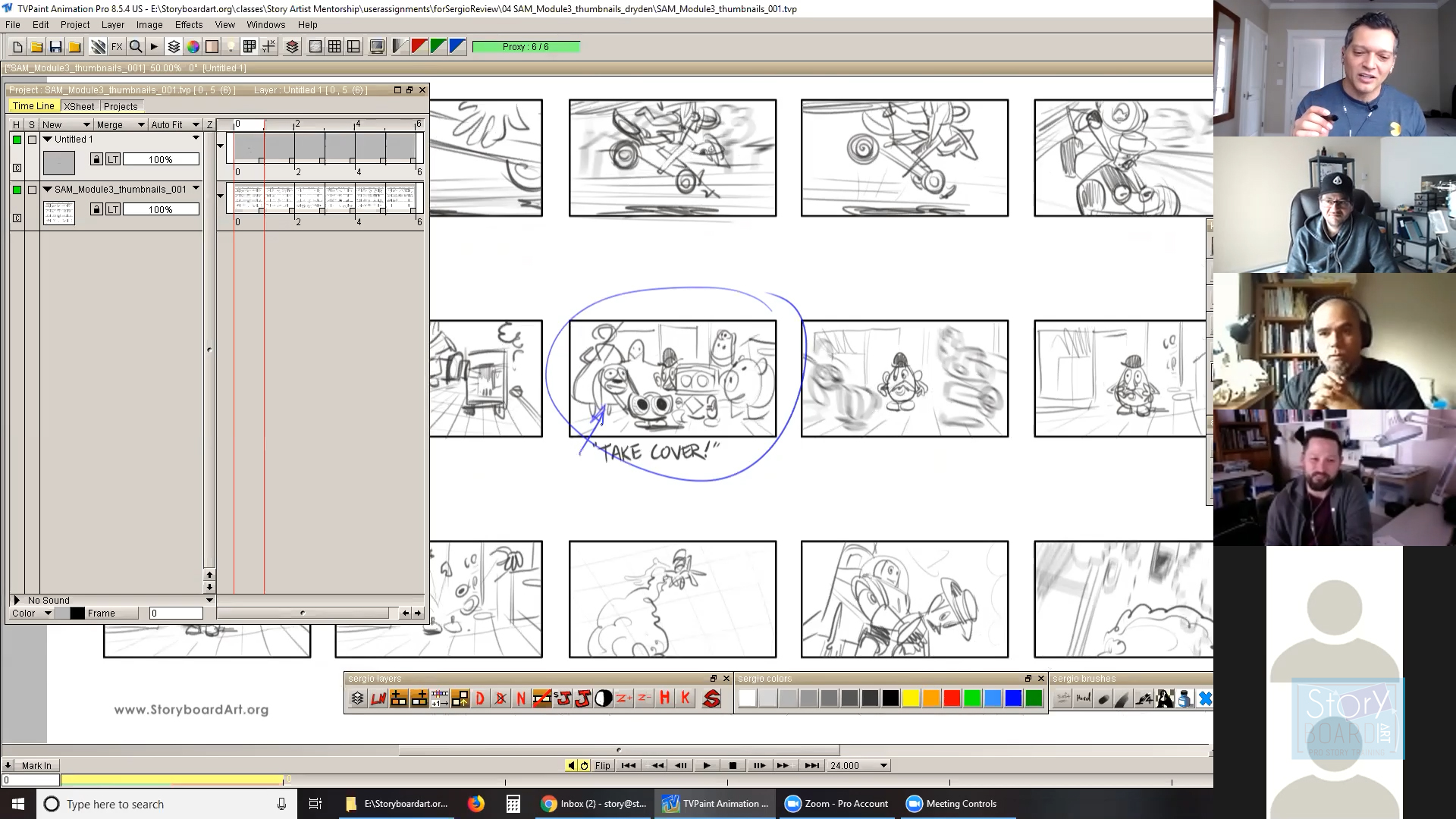
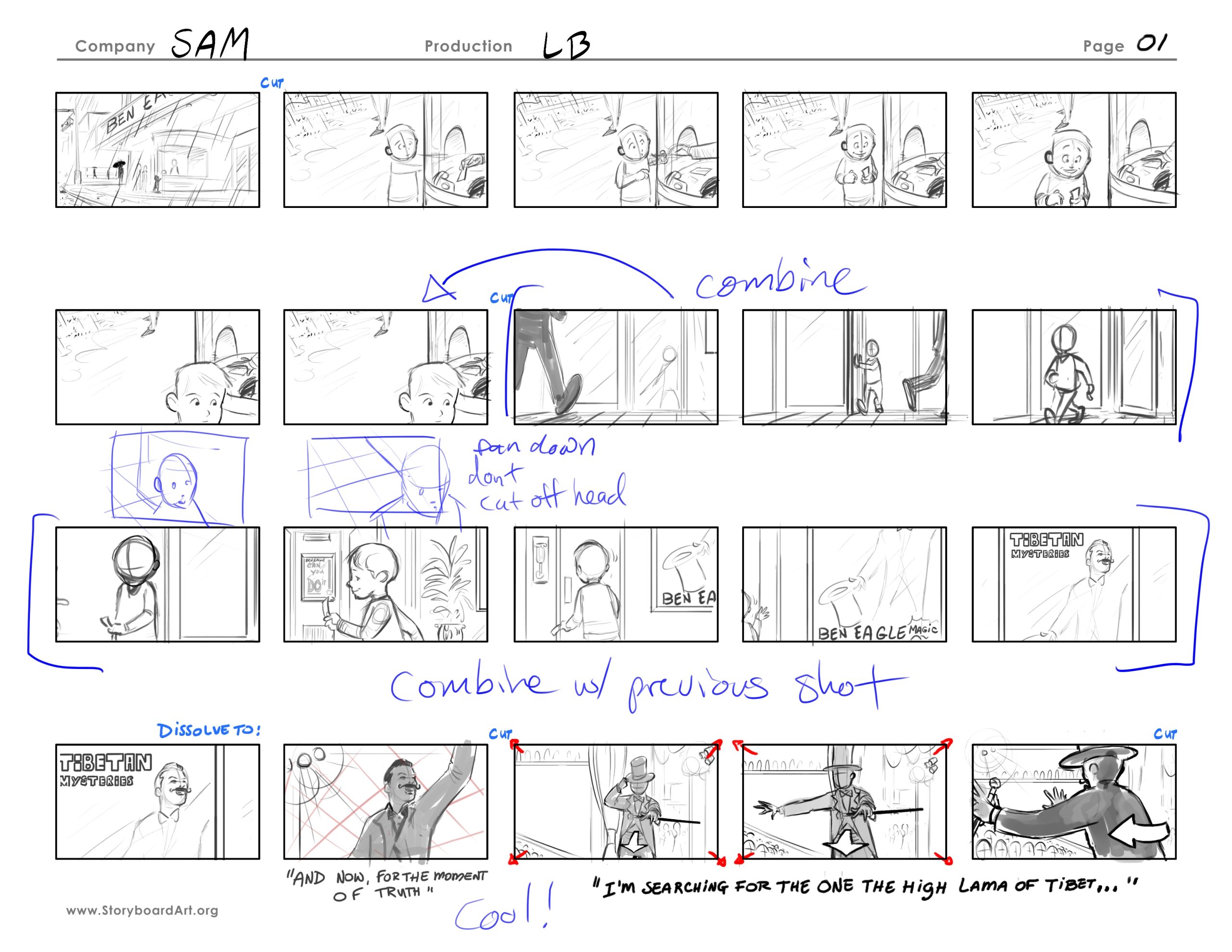
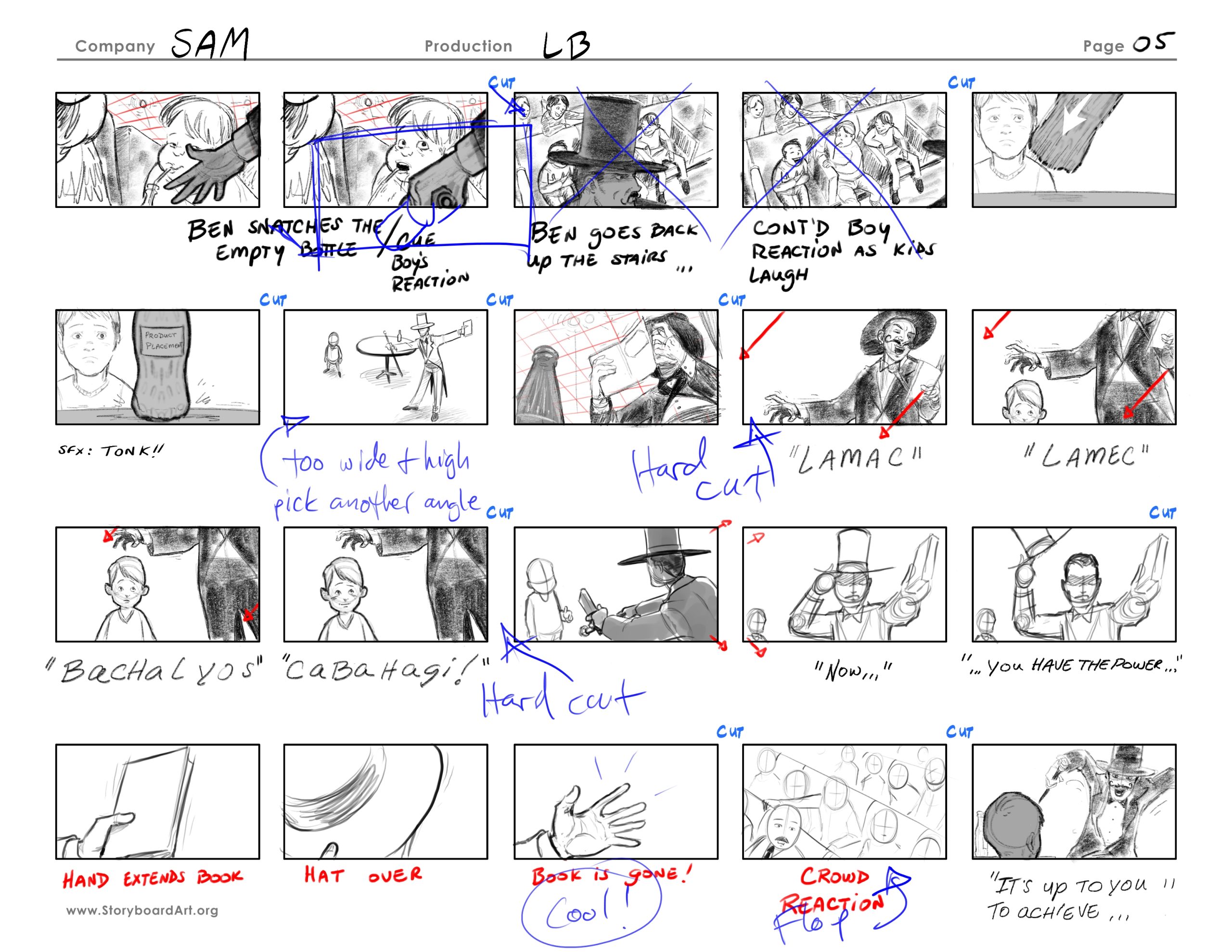
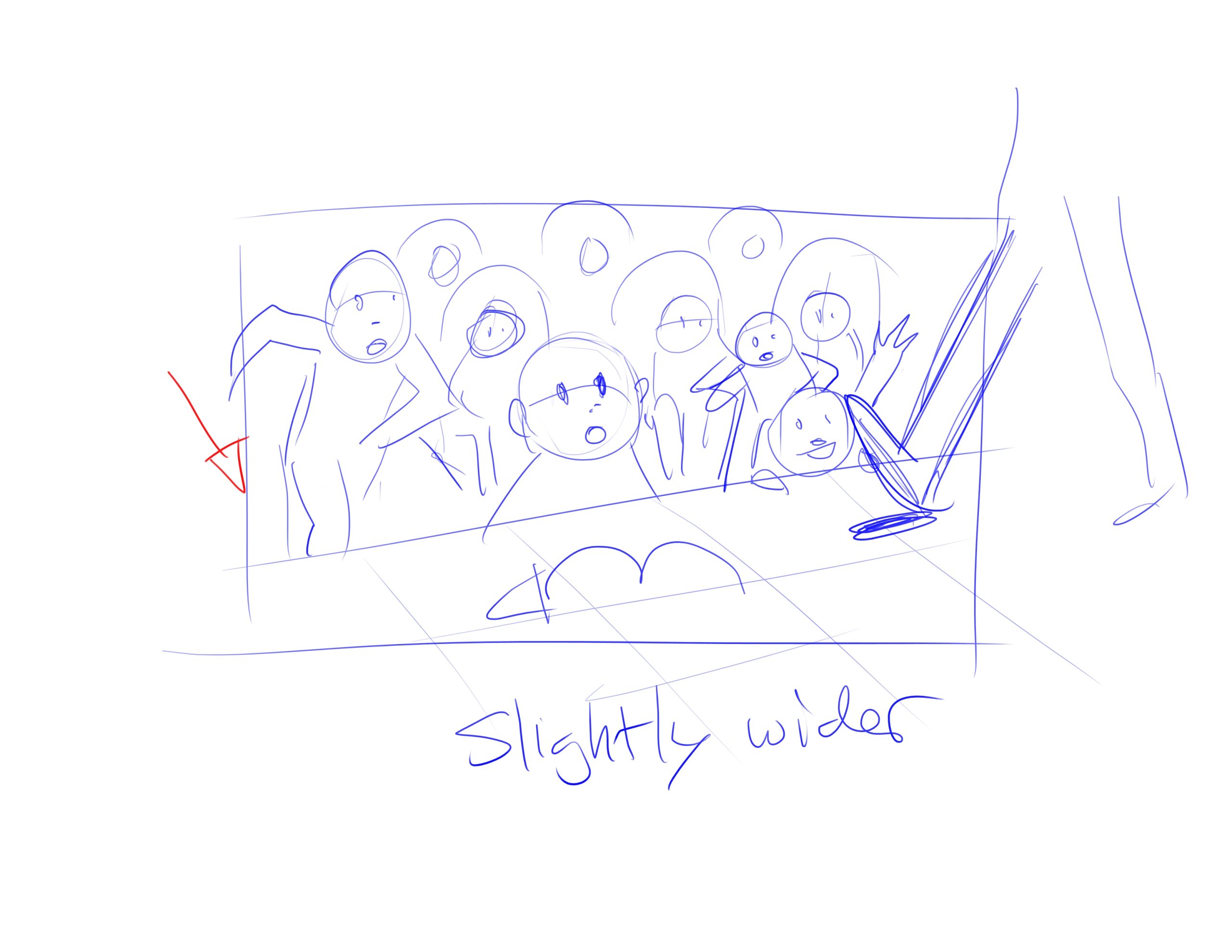
5–10 hours at your own pace, plus live group sessions for demos, feedback, and Q&A. Flexible enough for a job and a life — structured enough that you always know the next step.
What you get in Mentorship Pro
Real Artists. Real Studios. Real Results.
Where our students landed
Plus placements at DreamWorks, Netflix, Nickelodeon, Titmouse, A24, and freelance work worldwide.
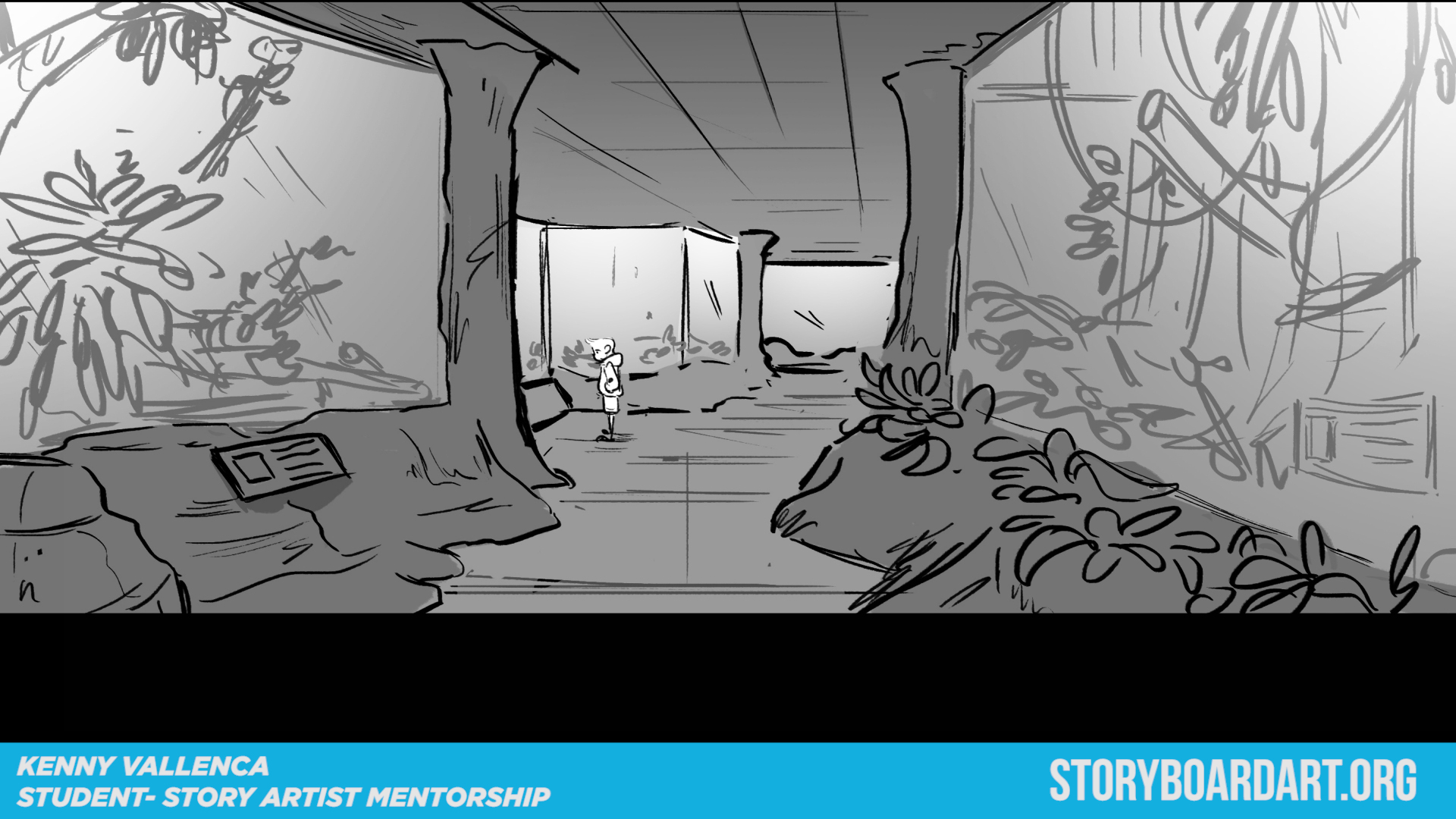
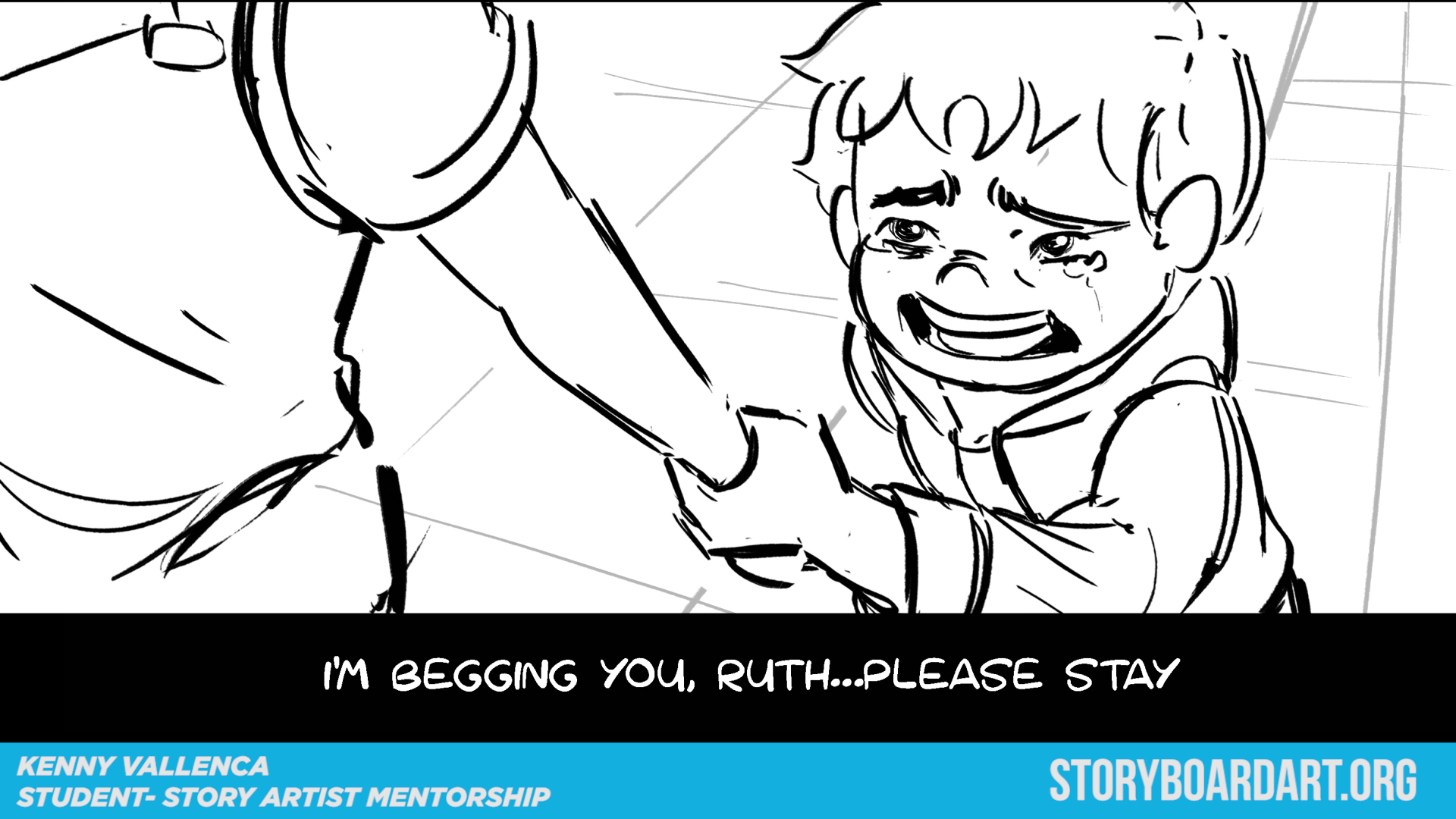
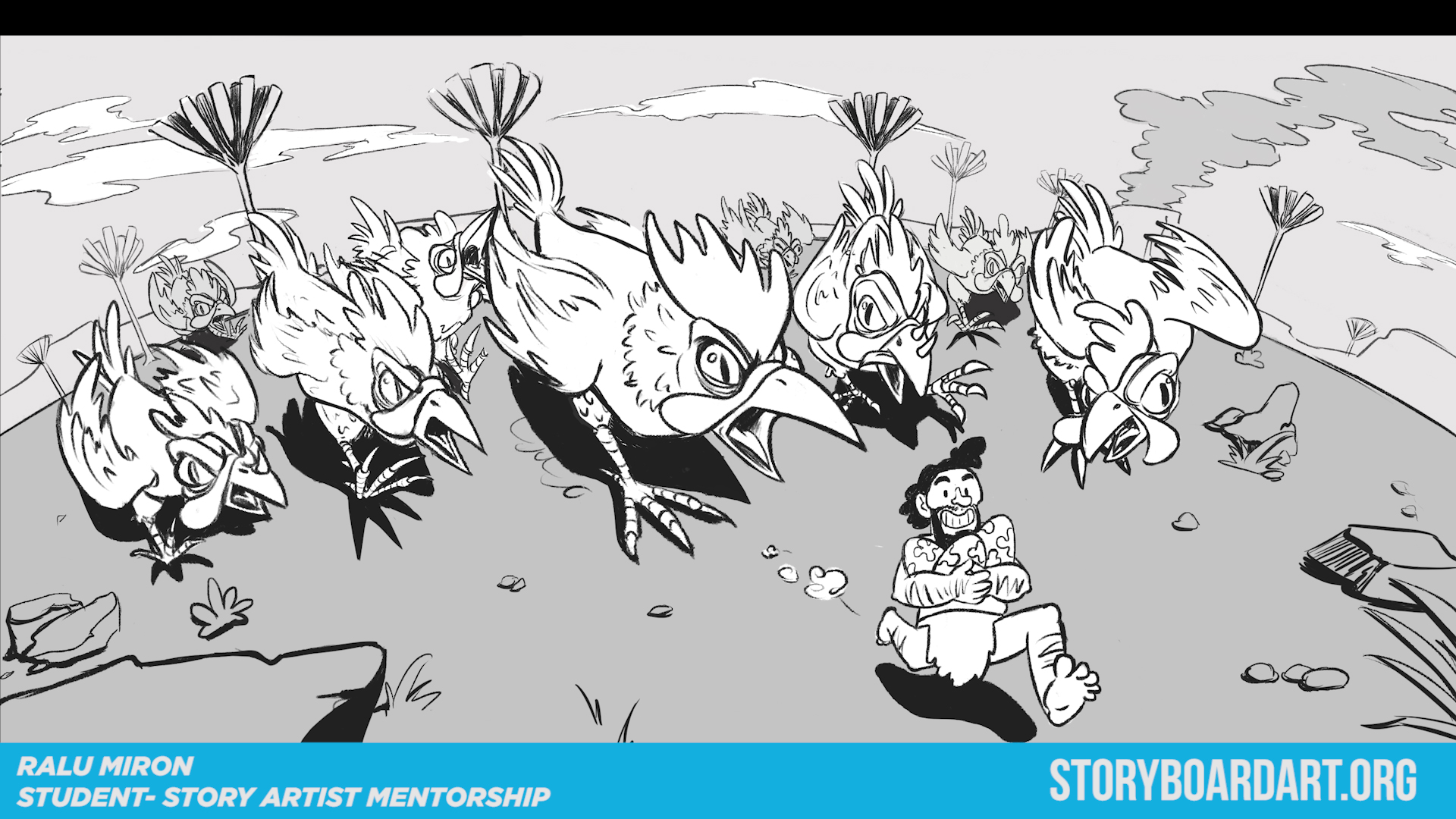
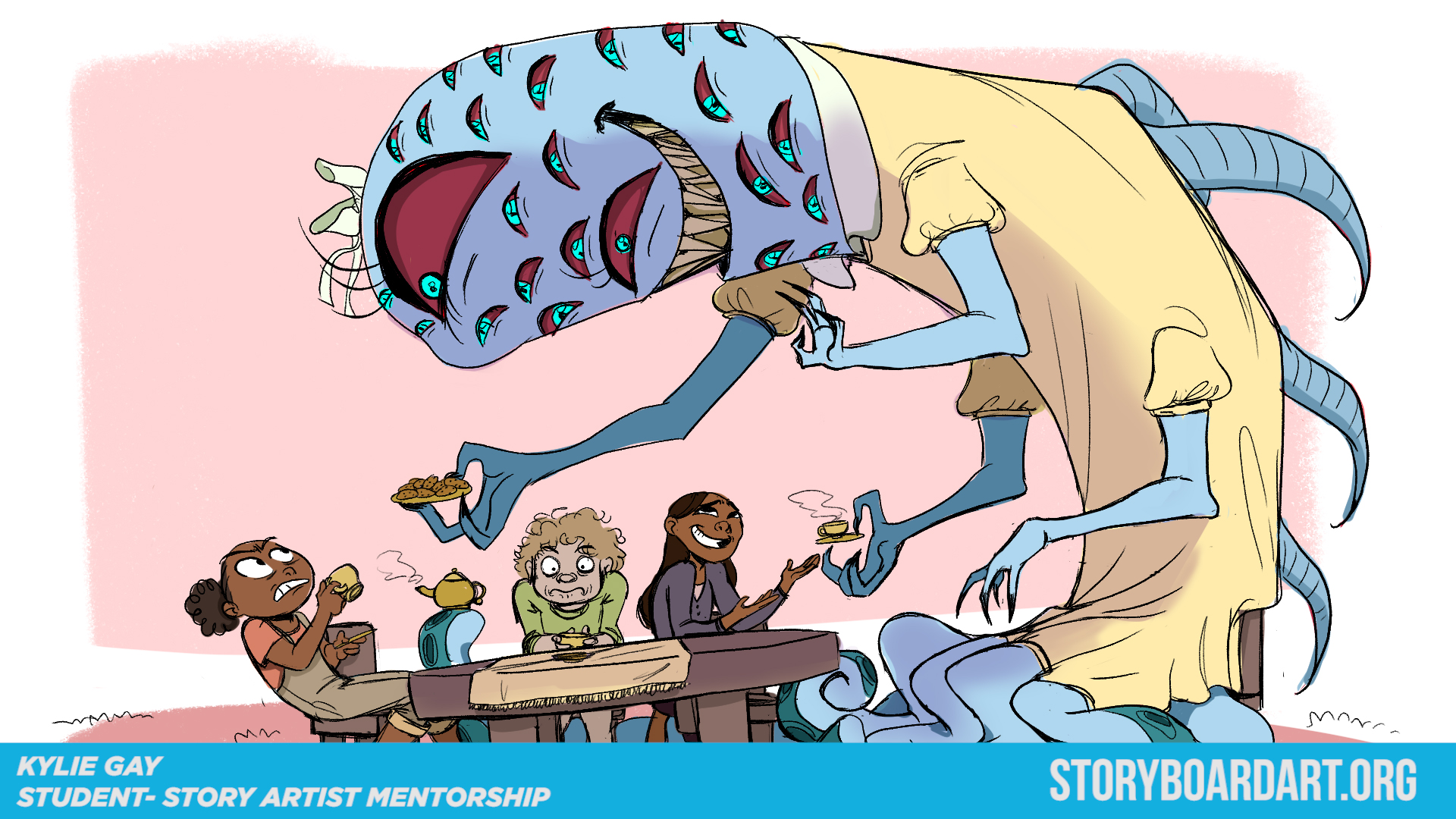
Learn from working pros (not retired teachers)

Terminator 2, Thor, Jurassic World, Fantastic Four

Head of Story, Warner Bros. — Space Jam, SCOOB!, Smallfoot

Episodic director, Star Wars Rebels & Resistance (Lucasfilm); Pixar, Sony, Sega

Titmouse, Nickelodeon, DreamWorks — Star Trek: Lower Decks

Disney, Illumination, Lucasfilm, DreamWorks — Director, Puss in Boots

Marvel, Lucasfilm, DreamWorks, Sony — episodic director, Star Wars Rebels

Director on Paula & Pals: Boot Up! TV series
“I thought I knew storyboarding until I took this class.”
“This program changed my life. It gave me the chance I longed for.”
“I got into the Pixar internship this year — I couldn’t have gotten that far without your class!”
Your Investment in a Studio-Ready Career
Everything in the 12-month program plus monthly 1:1 deep-dive calls with program founder Sergio Paez, a done-for-you portfolio overhaul, a hiring toolkit, and warm intros to Sergio’s network where appropriate. Capped at 5 artists per year.
Most artists don’t need that level of white-glove access. What they need is the system — the apprenticeship, the portfolio, the network, and consistent feedback. That’s Story Artist Mentorship Pro.
Both include the full 12-month mentorship, weekly feedback, community, and all resources.
Apply for a Portfolio Review CallSimple math: one freelance storyboard job pays $400–$600/day; a studio role pays $80,000–$150,000/year.* Land one and the program pays for itself many times over. Art school charges $60,000–$100,000 for a generic degree and a portfolio that doesn’t get you hired. This gives you a job-ready portfolio, mentorship from working pros, and a career network — for $4,999.
Bonus pack — bundled, value $20,562+
*Income figures reference BLS averages and past student results; individual earnings vary.
We Handle the Risk. You Handle the Work.

Join, come to the live calls, go through onboarding, start your first assignment. If within 30 days it’s not the right path for you, email us and we’ll refund your tuition. No hard feelings.
Pay in full, complete the action checklist, and if you don’t land your first paid storyboard client by the end of the program, we keep working with you free for another 90 days — same coaching, critiques, job board, and support.
You can only make a guarantee like this when you’re confident the program delivers. We are.
How to Apply — 3 Simple Steps
Tell us your current skill level, your goals, and share a link to your portfolio if you have one.
If it’s a potential fit, you’ll pick a time for a 20–30 minute conversation about your goals and whether the mentorship is right for you. No pressure, no hard sell — just an honest conversation about your career.
If it’s a strong fit on both sides, you choose your payment option and claim your seat. Our next cohort starts September 8, 2026 — we’ll confirm your spot on the call. Seats are limited, so the sooner you apply, the better your chance of getting into this cohort.
If you’re going to invest in your career, you should want this conversation — so you know exactly what you’re getting and whether it’s right for you.
Frequently Asked Questions
“I don’t have enough time.”
If you can give this 5–10 hours a week, you can do this. We built it for people with jobs, family, and real lives — you get a clear weekly plan and a time-management routine. The real question isn’t “do I have time,” it’s “is this important enough to make time over the next 12 months?”
What if I’m not good enough yet?
You don’t need to be a master — just a solid foundation and a love for visual storytelling. If you can draw recognizable characters and environments (even rough), you may be ready. Some of our best students thought they weren’t good enough. That’s exactly what the Portfolio Review Call is for — we’ll tell you honestly if you’re ready, or what to fix.
I’m outside the U.S.
Totally fine. We’ve had students from Brazil, Thailand, the UK, Canada, Mexico, Europe, Australia, and more. The industry is global and studios hire remote. We run multiple live sessions to cover time zones, and everything is recorded.
Am I too old?
No. We’ve had students in their 40s and 50s land jobs. Studios check your portfolio, not your birth certificate — and life experience and discipline are an advantage.
What about AI?
AI is not replacing thinking storyboard artists. Storyboarding is emotional storytelling and visual problem-solving — knowing why a scene works and how to collaborate with directors. That’s the last thing studios will automate. A trained story artist becomes more valuable, not less.
What if I can’t afford it?
If you’re making $25k–$45k now, you could be earning $80k–$150k as a storyboard artist — that’s income you’re leaving on the table every month. We have payment plans and buy-now-pay-later options. The real question is: can you afford to be in the same place 12 months from now? We’ll walk through it on the call.
What software / setup do I need?
A computer with internet + webcam and a digital drawing setup (tablet/Wacom or similar). A 1-year Toon Boom Storyboard Pro educational license is included. The techniques work with any software — even pencil and paper.
You Have Three Options
The artists who end up in the credits at Disney and Pixar aren’t the ones who waited the longest. They’re the ones who decided faster and did the work.
Our next cohort opens September 8, 2026, and we’re releasing a limited number of seats — capped by mentor capacity so every student gets real feedback. When it fills, applications close until the next opening.