Contents
- What art block actually looks like for board artists
- How your brain sabotages your boards (and how to fix it)
- What kind of block are you really in?
- How to beat perfectionism (let your thumbnails suck)
- The 30-minute daily minimum (for when you don't wanna)
- When you can't draw, do this instead
- How to use reference without ripping it off
- Burnout vs block: how to tell and what to do
- 60-minute emergency unblock (when boards are due NOW)
- Fixes that make block worse
- FAQ: Storyboard artist block
Coffee’s poured, script pages open, and sequence 12 is due Friday. You pick up the pencil, look at panel one, and nothing comes. So you sharpen the pencil, check your messages, and refill the coffee. An hour later, panel one is still blank.
Here's the truth: art block doesn't mean you suck. It's a production snag, and production snags have solutions. Every working story artist hits this wall—even the ones whose work makes your jaw drop.
Let's get this straight: by the end, you'll know exactly why you're stuck. You'll have concrete moves to put panels on paper, even when your brain says no.
What art block actually looks like for board artists
Art block (some people call it creative block) is when you need to draw but can't start or commit. It's usually a clog in your process, not some sudden talent outage.
Three main pipes get clogged: too much pressure, too little fuel, or not enough fresh input flowing in before you try to squeeze something out.
You'll feel it one of three ways: blank page terror, where nothing comes; endless tweaking, where one panel gets redrawn fifteen times; or total numbness, where you don't even want to pick up the pencil.
Most people screw this part up because they wait for inspiration. Instead of waiting, change your next action. Draw one panel badly on purpose, and the work usually starts moving again.
How your brain sabotages your boards (and how to fix it)
Your brain works in two gears when boarding: call them thrower and catcher.
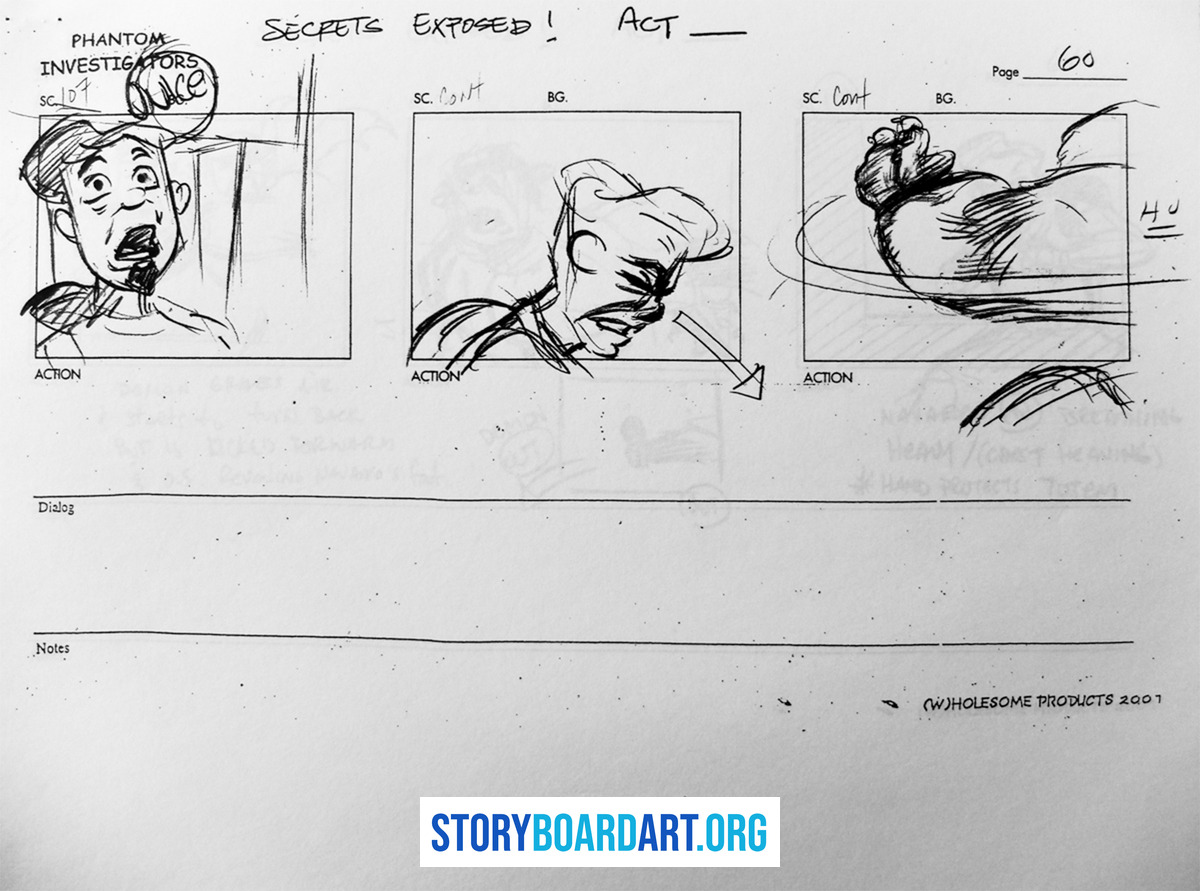
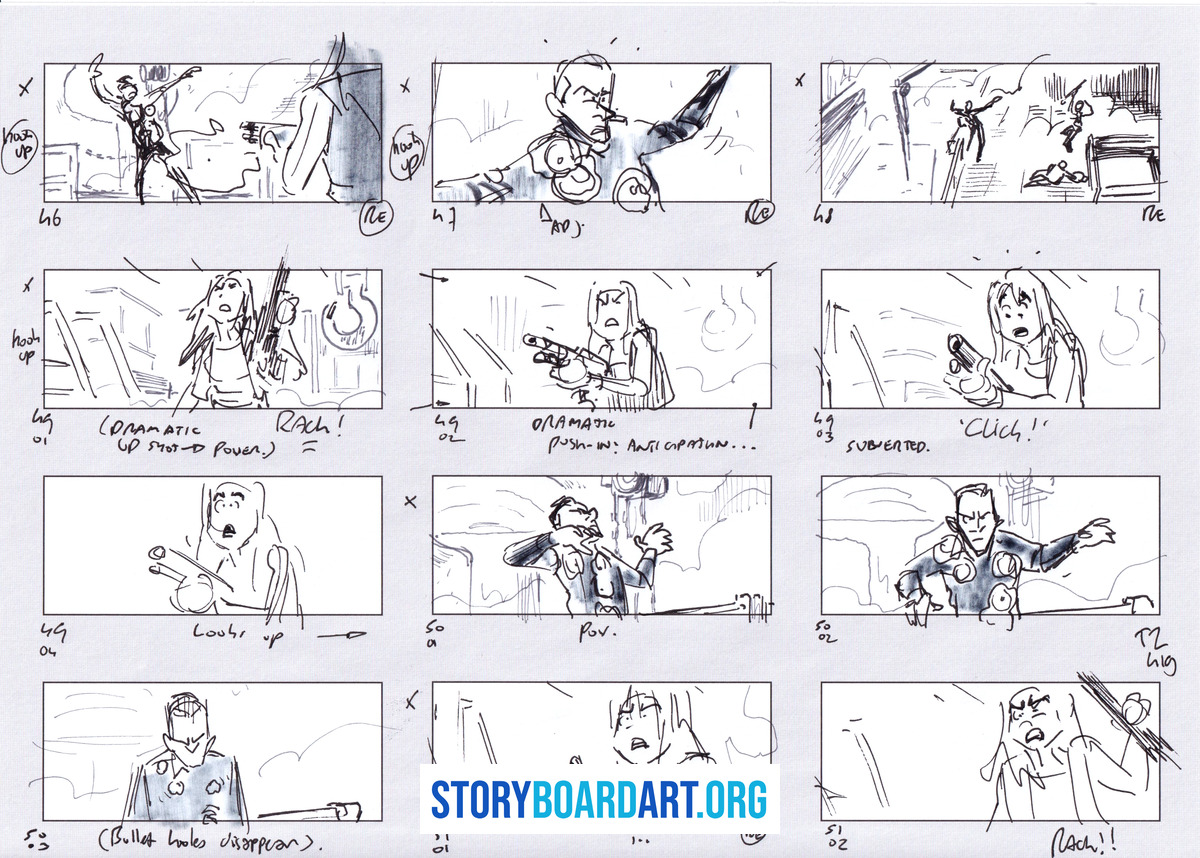
Thrower mode chucks ideas fast: rough shapes, loose staging, five opening shots in thirty seconds—all terrible, all disposable. Thrower doesn't care if an idea's good. It just throws the next one.
Catcher mode does the opposite: it judges whether the staging is clear and the acting reads. Catcher moves slow—judging takes more care than guessing.
Art block happens when catcher jumps in too early. It grades your thumbnails like they're finals. A thumbnail is a tiny, fast sketch to test an idea. If you demand it be perfect before finishing it, you've broken the system.
Here's how studios actually work:
- Thumbnails - make a pile of options
- Rough pass - pick one and clarify
- Cleanup - polish for handoff
Freezing usually means you dragged cleanup standards back to thumbnail stage. Draft one can't do draft five's job.
Ask yourself whether you can't think of options or can't accept the ones you make, because those are different problems with different fixes.
What kind of block are you really in?
Not all blocks are equal, and if you treat them the same, you'll waste time. Here are the four big studio killers, with a quick test for each.
Perfectionism. You kill work before it's born, and it sounds like: "That panel's trash—erase it now."
Burnout. You're running on fumes, and it sounds like: "I know what to draw, but my hand won't move."
Input drought. Your well's dry, and it sounds like: "I've drawn this shot before, probably last Tuesday."
Skill-gap. It's common for new grads, and it sounds like: "I see it perfect in my head, but my hand drew garbage."
Name your block first, because rest fixes burnout but not skill gaps. Reference binges help input droughts but not perfectionism. Get this wrong and you'll lose a week still stuck.
How to beat perfectionism (let your thumbnails suck)
Working artists know this: if your first pass must be perfect, you'll never start. A thumbnail is supposed to be rough. Its job is testing ideas fast, not looking good.
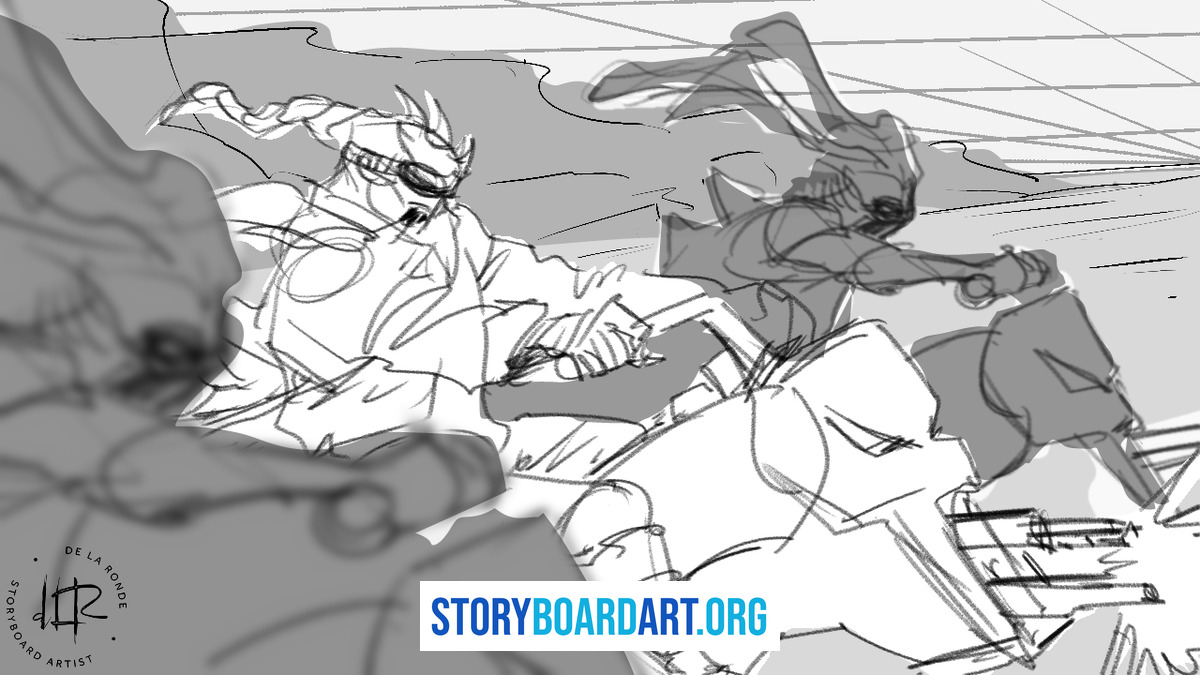
Three rules to stay moving:
Stay small. Instead of one beautiful panel, sketch 12-20 tiny ones that take 60-180 seconds each. Small size kills the render itch.
Silhouette only. Use solid shapes with no details. If the pose works as a black blob, the beat works, and faces can come later.
One job per pass. The first pass is for staging and the second is for clarity, so don't mix them.
Try it now: pick a simple beat—character enters, reacts, decides. Thumbnail it three ways, each under two minutes. None of them has to be good, as long as you make three.
Want to spot perfectionism in action? See Bad Habits To Avoid When Drawing.
The 30-minute daily minimum (for when you don't wanna)
Stop waiting to feel like it. Build a minimum viable session—the smallest drawing that keeps your skills alive, even on terrible days.
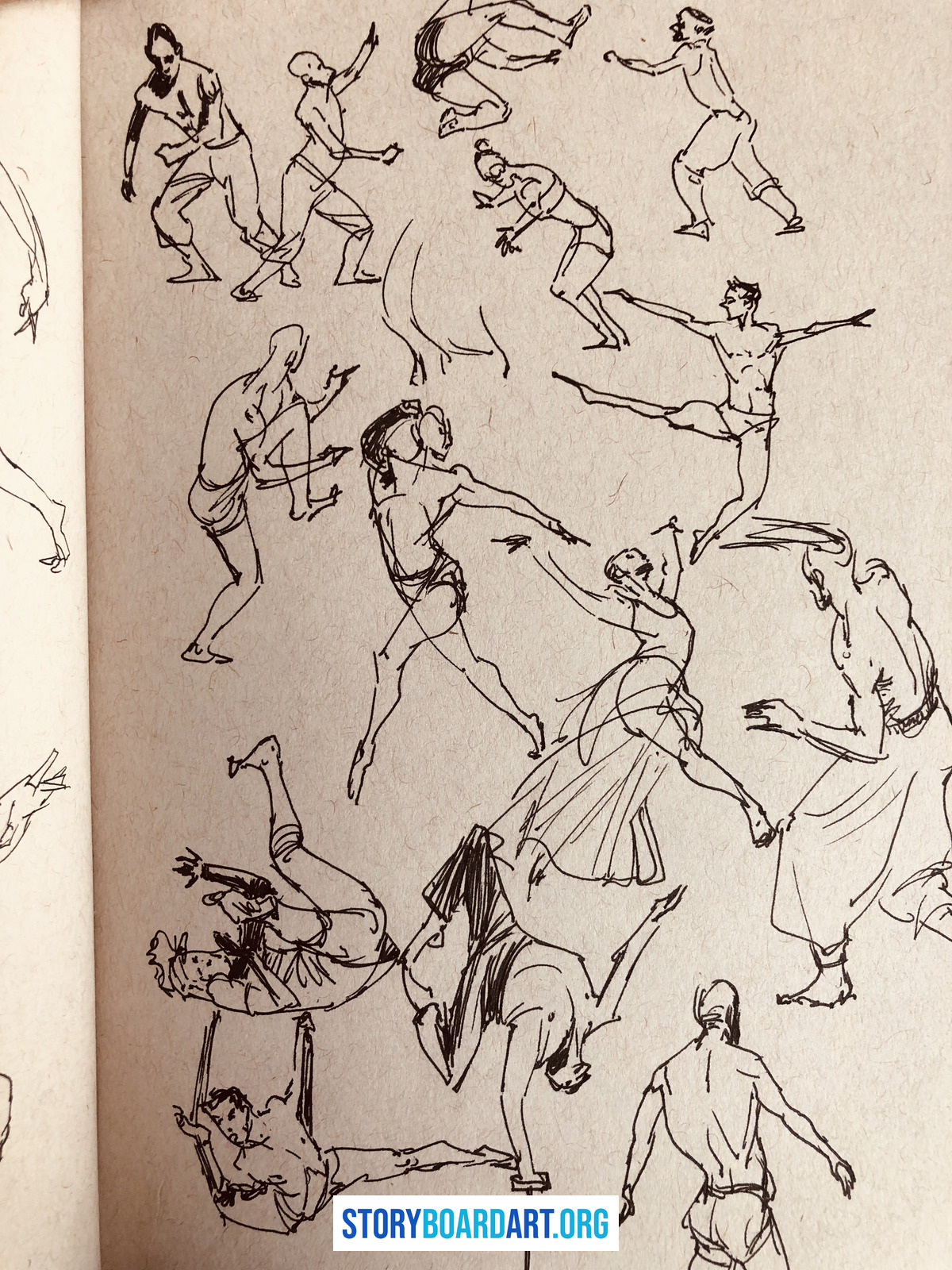
Here's a simple version:
- 10 min: gesture warmup with fast poses and no fixing.
- 15 min: storyboard thumbnails, rough ideas only.
- 5 min: pick one thumbnail and clarify it.
That's thirty minutes total, and it counts even when it feels tiny. You're not finishing anything, just keeping the engine running.
Even when I was directing on Star Wars Rebels for Lucasfilm, I had to make an effort to practice outside of work hours. I remember being tired but still going to figure drawing sessions on Wednesday nights, because I wanted to keep my drawing skill sharp.
Was I tired most of those Wednesdays? Absolutely, but I went anyway, and that’s the whole point. Systems beat moods, because your mood changes with your day. A system shows up whether you're pumped or drained.
For more drills, see Drawing Exercises for Beginners: Daily Storyboarding Drills. For making habits stick, see How To Develop Good Drawing Habits.
When you can't draw, do this instead
Sometimes all the tricks fail and your hand still won't move. When that happens, stop forcing drawings and switch tasks.
You're not quitting, just changing what "work" means for the next hour. Storyboards need more than just panels. Try these:
- Write beats under panels. Use plain sentences—who wants what, what changes.
- Build reference. Gather location shots, props, and lighting refs, because planning is work.
- 20 gesture drawings. Do fast body poses with no story to build your acting vocabulary.
- Rough timing. Simple animatic notes—where holds, cuts, reveals happen.
All four move the sequence forward without clean lines. Studios don't care which task filled your Tuesday. They care if the sequence got clearer.
If drawing feels slow, cut the friction. See Dramatically Speed Up Your Drawing.
Remember on bad days: studios pay for clear sequence thinking, not perfect day-one lines. A page of sharp beats and timing beats one pretty panel next to nine blanks.
How to use reference without ripping it off
Using reference is normal, and working artists do it on every job—for staging, camera angles, fight choreography. Nobody invents every shot from scratch.
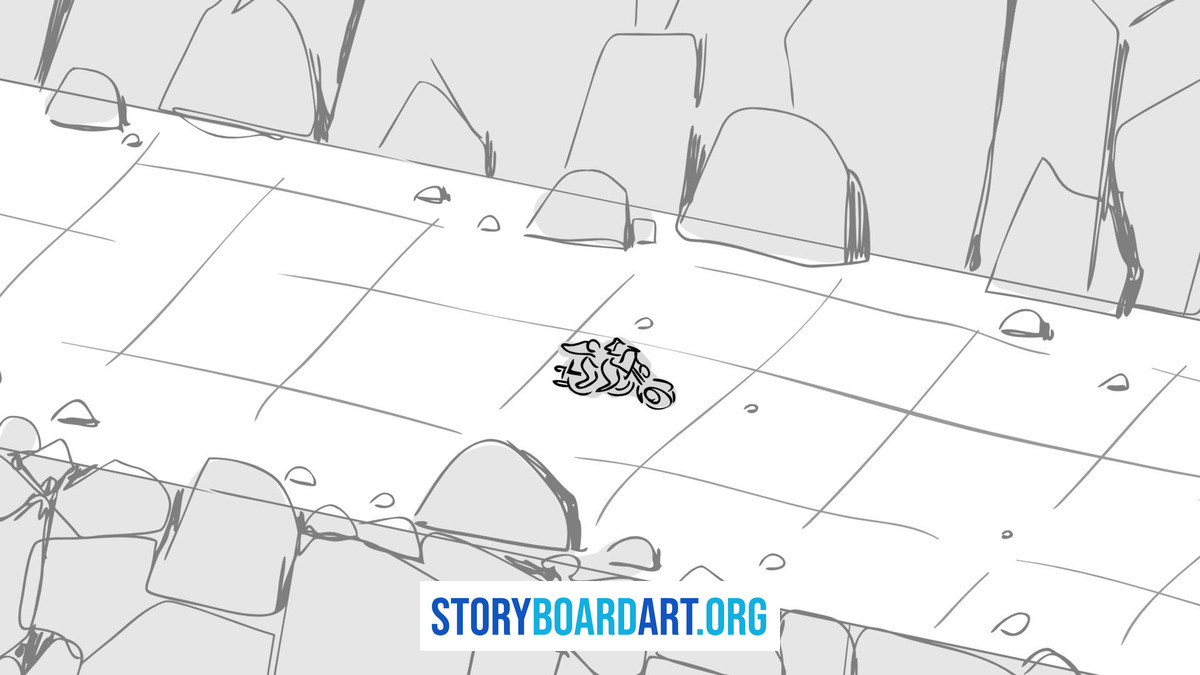
Here's the line: reference feeds your problem-solving instead of bypassing it.
I once boarded a speeder bike action sequence as an homage to Akira. The director called me out on it: “Oh, that’s Akira again.” Almost every artist does this with something they’re inspired by, so instead of an homage, it was a repetition. A poor effort at an homage, and an easy out. It was a smart call, and I ended up changing the sequence myself. Now, any time I think of something as an homage, I use it as a reference and then see what variations I can come up with.
Try this method:
- Pull three film stills solving similar problems
- Take one principle from each—camera height from first, lens feel from second, negative space from third
- Thumbnail a new shot using those principles, changing the location, character, and blocking.
That last step separates reference from copying. If you need fundamentals, see Drawing Skills Every Storyboard Artist Needs.
Burnout vs block: how to tell and what to do
Block and burnout feel similar inside your head, but they're not the same thing.
Block means your process is jammed—you can work but don't know how. Burnout means your tank's empty—no process left to unjam.
Signs you need rest, not fixes:
- Still tired after full sleep
- Snapping at small things
- Can't focus even on warmups
Rest for artists can look like work, just pencil-free: walk, nap, close portfolio tabs, or watch a favorite scene purely for staging.
Here's the trap: constantly seeing others' finished work turns every sketch into a public performance. You're comparing your rough draft to their highlight reel.
When you return, don't jump back into what burned you out. Warm up for 10 minutes, then thumbnails—no finals yet.
If you're stuck restarting, see Tips and Tricks For Storyboard Beginners.
60-minute emergency unblock (when boards are due NOW)
Real talk: you owe roughs today, you've been stuck for an hour, and you have one hour left, so here's the plan.
0-3 min: Stand up and walk without your phone to reset your eyes.
3-18 min: Thumbnail fast with 10-12 tiny, ugly sketches, using silhouettes only (just body shapes).
18-25 min: Pick two, then circle the one closest to working. Under each, write one line describing the beat.
25-45 min: Expand one into 4-6 panels. Focus on clarity only: would someone get it without explanation?
45-55 min: Write three notes on what's missing, like flat acting, unclear staging, or continuity breaks.
55-60 min: Export and send, then tell your lead what you have and what's rough.
Notice what didn't happen: no waiting for inspiration, no solving everything, just small next actions you could actually do.
That's the trick: deadlines don't need your best idea—they need motion and honesty about the gaps.
Fixes that make block worse
Some "solutions" actually dig the hole deeper. Here are the four worst offenders:
- Polish too early - Cleaning panel one before panel two exists. Quality means the idea works, not clean lines. Fix: thumbnail several options before cleaning any.
- Breaks become avoidance - Rest helps real burnout, but vanishing for weeks teaches your brain to dread drawing. Fix: set a return date before stopping.
- Tool hopping - New brushes feel like progress, but usually you're just dodging the real work. Fix: pick one deliverable and finish it with your current tools.
- Reference as tracing - Copying shots skips the problem-solving. Fix: steal principles, not pictures, and change location, character, and blocking before calling it done.
FAQ: Storyboard artist block
How long does block last?
It depends on the cause: perfectionism can break the same day, often with ugly thumbnails on purpose. Burnout lasts longer—until you stop draining faster than refilling. Push through burnout and a two-week problem becomes two-month.
Is block just laziness?
No, laziness is avoiding tasks you could do. Block is a jammed process—you want to work but something's stuck, usually catcher mode grading thumbnails too early.
Test it: set 10 minutes, draw ugly thumbnails. If panels start coming when you drop perfection, it wasn't laziness.
What if I hate everything I draw?
Move judgment later by making many options first, with no editing allowed, and then picking favorites: quantity first, selection second. Hating one drawing is normal, but hating your only drawing is a setup problem.
Push through or rest?
Push if:
- You can focus once started
- Thumbnails flow after first few
Rest if:
- Still tired after full sleep
- Dread remains after warmup
Read your body, not your mood.
What if my real problem is not knowing what a portfolio needs?
Then your issue isn't block, it's direction. First get clear on the target with Killer Storyboard Portfolio, then worry about daily progress.
