Contents
- What a freelance storyboard artist does, and how it differs from a staff job
- What to have in place before you go freelance
- How to find freelance storyboard work
- What to charge as a freelance storyboard artist
- Contracts, getting paid and knowing when to walk away
- Do you need an agent, and how do you keep clients coming back?
- Frequently asked questions about freelance storyboard work
Most artists who ask me about freelancing have the same two worries. They don't know where to find work, or they don't know what to charge once they land it.
Working as a freelance storyboard artist means running a small business on top of drawing the boards. This guide takes the business side in the order you'll meet it: what to have in place first, how to find clients, what to charge, how to get paid and whether you need an agent.
What a freelance storyboard artist does, and how it differs from a staff job
A freelance storyboard artist boards for a client on a contract, one job at a time, instead of sitting on a studio's payroll. The client might be an animation studio covering a busy stretch, an ad agency with a commercial to pitch, a director preparing a live-action shoot or a game team planning its cinematics.
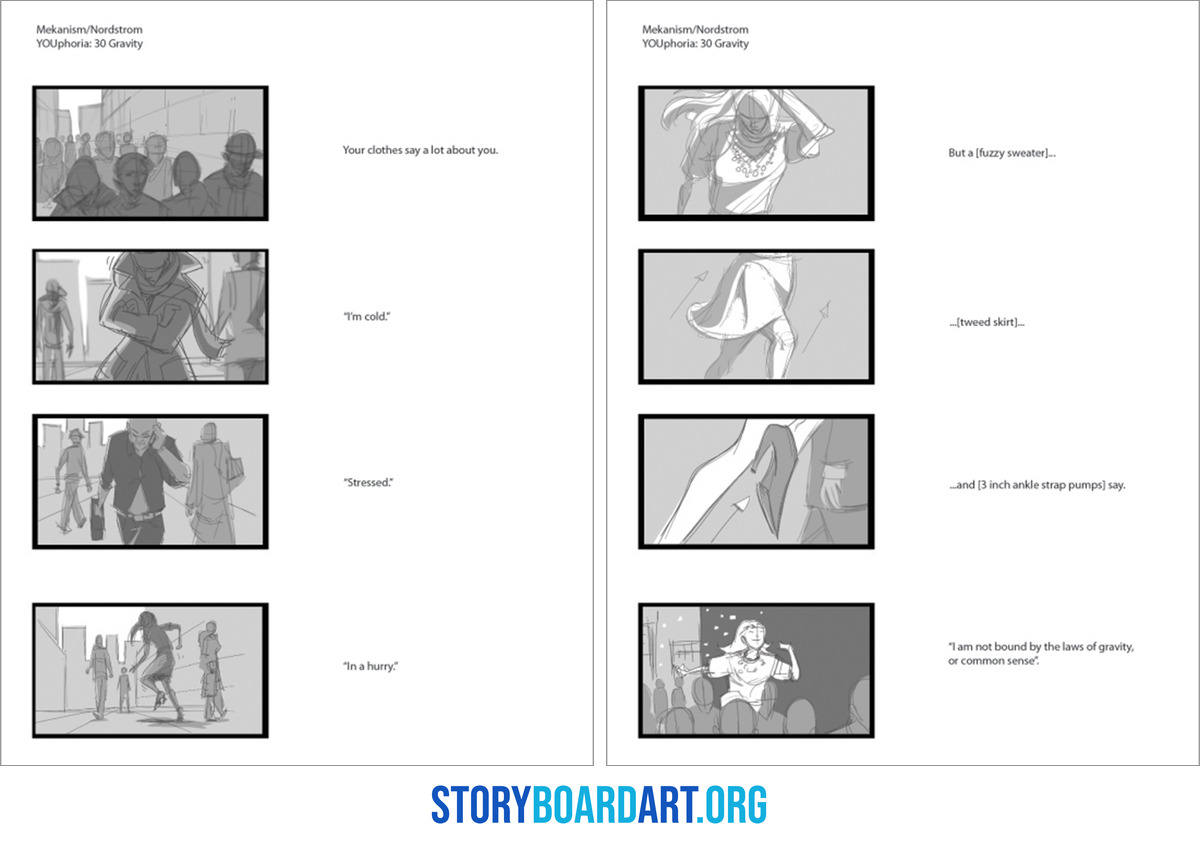
The drawing is the same job either way. What changes is everything around it: who finds the work, who sets the schedule, who handles the money and what happens when the job ends.
On staff, the studio takes care of most of that, and you're paid a steady salary for as long as the show runs. As a freelancer you handle all of it yourself, and in return you choose your clients, your hours and when to move on.
Here is what doing both kinds of work taught me.
I have done both staff work and freelance work, and there are advantages and disadvantages to both. The interesting thing is that in both environments you should be thinking of yourself as a service provider. You are giving a service and being compensated for it. That line is especially blurred on staff, because you are in a regular salaried position with a guaranteed period of work: a TV show could last three or four years of comfortable, steady salary. You can fall into the trap of getting comfortable and not pushing yourself to do the best quality work at all times. Everybody settles in, and that is where it separates the A players from the people collecting a paycheque and clocking in and out. One of the things I had to train myself on was giving my all and my best at all times. That is easier to see in freelance, because you have to push yourself to attract the next client.
Think of yourself as a service provider from your very first freelance job. Every board you deliver is part of your pitch for the next one, because the client who hired you is deciding whether to call you again.
Freelancing is one of several ways to earn a living from this skill. If you're still weighing it against a staff job, Make a Living as a Storyboard Artist covers what the job pays and how the working life differs for freelance and staff artists.
What to have in place before you go freelance
Three things decide whether your first year of freelancing feels exciting or frightening: a portfolio that shows storyboards, a network of people who know your work and enough savings to get through the quiet weeks.
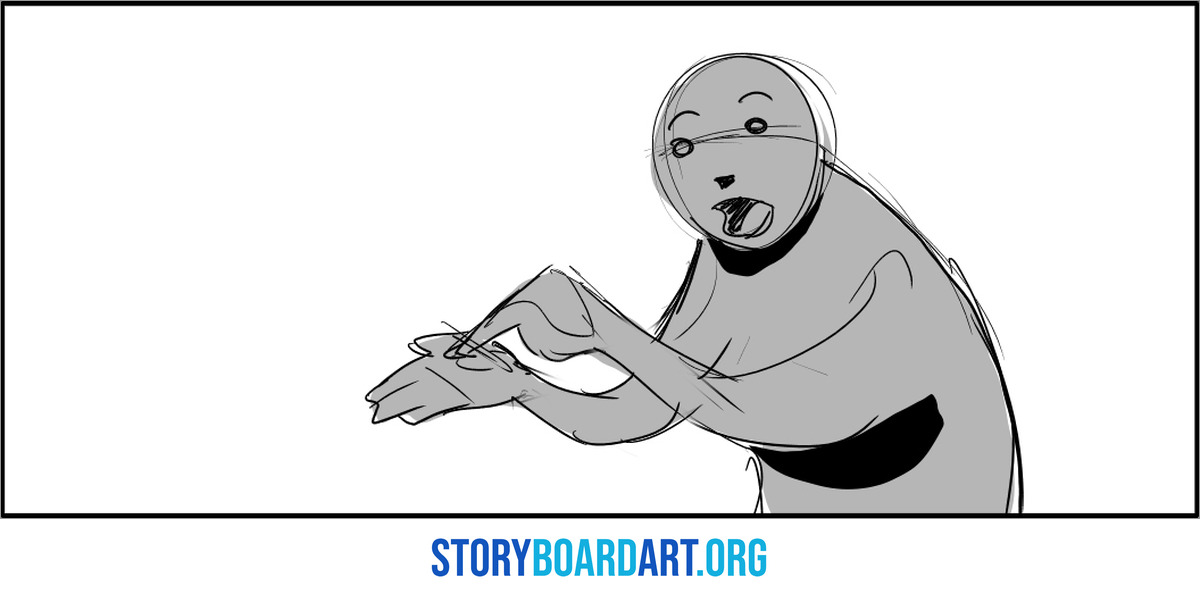
Your portfolio comes first, because a client hiring a freelancer has no time to train you. They book the artist whose samples already look like the job, which means storyboard sequences that cut together rather than single illustrations or character art. Portfolios for Storyboard Artists lists what belongs in one and what to leave out.
Your network is the second piece, and it's worth building before you need it. Classmates, teachers, artists you've met online and anyone you've worked with can pass your name along, so stay in touch with them while you still have a day job or a staff seat.
Savings are the third, because freelance work comes in waves. Even a busy freelancer has gaps between jobs, and savings are what carry you from one job to the next.
The freedom comes with a cost, and this is how I weigh one against the other.
The advantages of freelance are that you set your own hours and can take multiple clients for shorter periods; if you get tired of a production you do not have to wait out three years, you wrap up and find another client. The flip side is that you always have to be searching for the next one, or the steady work goes away and you go into down periods and dip into savings to maintain your standard of living. Either way, an economic baseline matters, so you have the flexibility to move to a position that advances your career. Maintaining a sound economic base, being frugal, and investing in your own skills and growth is always an investment, and it pays off in the end.
Build that baseline before you leave a steady job. With savings behind you, a quiet month is something you can plan around, and you can afford to say no to the wrong client.
How to find freelance storyboard work
Job boards post some freelance storyboard artist jobs, and they can help you land a first client. The steady work, though, comes from people: the director who liked your last job, the producer who heard your name from another artist or the studio that kept your portfolio on file.
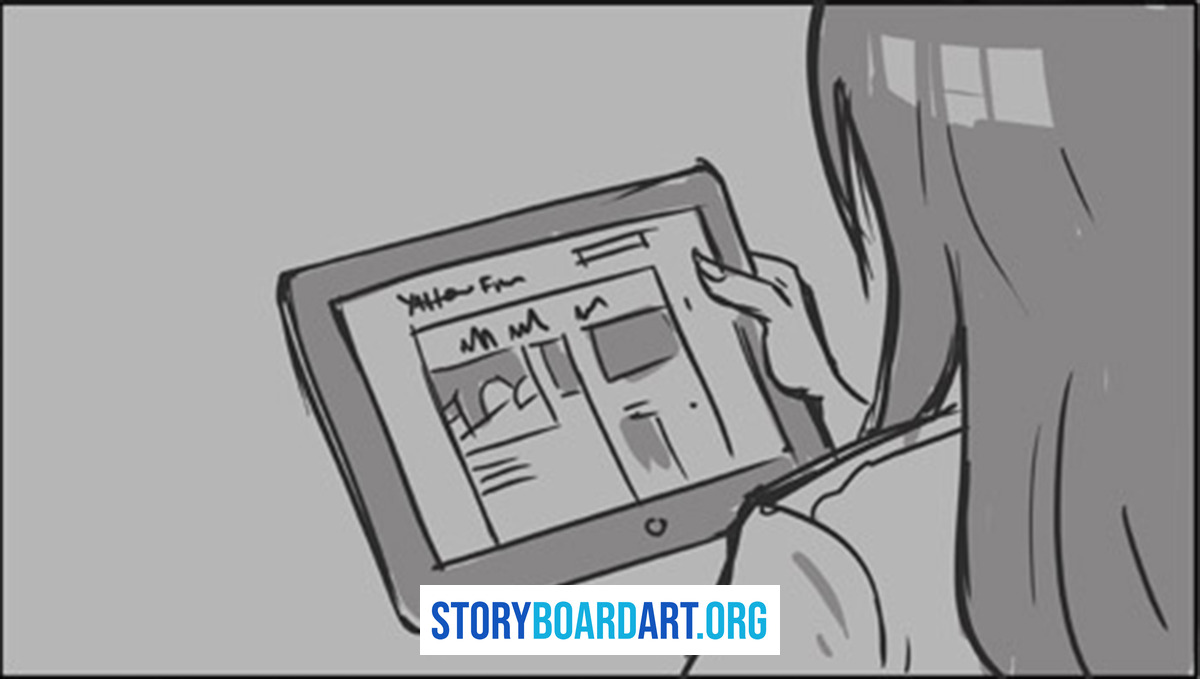
Stay active with your network, even when you're busy. Post new boards, answer messages quickly and check in with past clients when a job wraps, because the artist a client thinks of first is usually one they've heard from lately.
Industry groups are another way to meet the people who hire. Artist Unions and Film Groups covers the ones storyboard artists should look into, from the IATSE locals to ASIFA and the Visual Effects Society.
Work directly with the people who hire you. A director or producer who books you themselves becomes a relationship you own, and every good job with them makes the next one easier to win.
When you contact a studio, an agency or a director for the first time, keep the message short. Say who you are and what kind of boards you do, then add a link to your portfolio, because a busy producer is far more likely to click a link than to read a long email.
Then look for clients outside your own country, too. Bad news in one part of the industry can make it feel as if the work has dried up everywhere, and I've been through enough of those headlines to know better.
I have been through multiple strikes, industry shutdowns and shakeups. There were writer strikes, visual effects people protesting, general movements in the industry. Ironically none of those ever affected me personally. I was always employed, whether at studios or freelance. Partly that is timing and the nature of how projects are made. When a lot of the strikes happened I was fully employed in a studio, in a staff position, and the project was slated for a three-year run producing all of the episodes. The budgets were already locked, so there could be ripples externally but internally things were stable. When I was freelancing through other disruptions, I was dealing with a network of clients I had built up over the years, and I always stayed active. My advice to people paying attention to headline news is to pay more attention to building their network, expanding their contacts and improving their skills, so that whatever happens they are always employed. Just because one particular area of the industry is having a hard time does not mean the whole global marketplace is. I remember when things got scarce in the United States I would look for work and I had multiple foreign clients. That was exciting, and a smart move to expand my client base.
Treat the whole world as your market. Studios and directors hire remote storyboard artists now, so a slow year where you live is a reason to widen your search.
What to charge as a freelance storyboard artist
Pricing is where a lot of new freelancers freeze, because nobody tells you the numbers and guessing feels risky either way. Charge too little and you work for less than the job is worth, and charge too much and the client never writes back.
This is how I worked out my own rates.
The way I learned what to charge was by asking other artists working in the industry. Like most people who get into this business I had no idea what to charge. I was in an environment where I knew people already working as professionals, and I directly asked them what an artist makes and what I should charge. Most of the time the rate question is taboo among artists, but as you build contacts and friends it becomes less taboo, and I was able to ask openly. Now it is much easier to figure out, because you can do market research on the internet and there are published rates out there, and the unions, guilds and industry organisations help publish those numbers. I also learned from others that I should be charging a day rate rather than an hourly rate. You can charge hourly and break the day rate down into hourly equivalents, but the day rate is the standard accepted term for story artists.
Ask the artists you know what they charge, then check what you hear against published rates. In the US, The Animation Guild (IATSE Local 839) is the union for animation artists, story artists included, so its site is a sensible place to start your research on animation work.
For the numbers themselves, read How Much Does a Storyboard Artist Make? Real Pay & Rates, which breaks down staff salaries, freelance day rates and union minimums.
Quote a day rate, and work out the job in days. Count the days the boards will take, add time for a round of changes and give the client a total they can plan around.
If a day rate you hear sounds high, remember what it has to cover. A freelancer pays for the quiet weeks, the software and the taxes out of the same fee, so a rate that only covers the drawing days is too low.
Price the extras before the client asks for them. Weekend work, overtime and rush deadlines should cost more than your usual day rate, and it's easier to put that in your first quote than to raise it halfway through the job.
Contracts, getting paid and knowing when to walk away
Most payment problems start before the first drawing, when the terms were never agreed. Before you start work, put these in writing, even if it's only an email the client replies to:
- Scope: the number of scenes or shots to board and the level of finish the client expects.
- Revisions: the number of rounds of changes the fee covers and the cost of any extra round.
- Schedule: when the roughs are due, when the finals are due and how quickly the client will send notes.
- Rate and payment: your day rate or total fee, any deposit and how long the client has to pay each invoice.
Ask a new client for a deposit before you start. A deposit shows the client is serious about the job, and if the project falls apart halfway, you've still been paid for part of your time.
Send the invoice as soon as you deliver, with the payment terms written on it. Invoicing & Payment For Storyboard Artists goes through deposits, payment terms and the tools that make invoicing easier.
Getting paid is the other half of the rate question.
I have been very fortunate that there was never a worst rate. The only real issues I had were getting stiffed on payment by some smaller clients, one-off isolated events where I was not paid the full amount I was due. That is also a learning experience. The worst rate is not getting paid at all. By doing proper negotiation and having the contract conversations up front you can avoid that heartache. Most people are good, and you should find out beforehand who you are working with.
Find out who you're working with before you sign. Look at the client's past projects, ask artists who have worked for them and treat a client who won't put anything in writing as a warning sign.
Written terms also give you a line to hold when a client keeps asking for more than the job you agreed. Sometimes the right move is to stop, and this is the client I walked away from.
I had a commission client I needed to bail on. He was a bit eccentric and kept wanting more detail in the finished piece, and he was already asking for more than we agreed. My BS meter was on full alert. So when he emailed back wanting more, with the promise of a higher payout for me, I politely refused. I had to cut my losses: my client list was growing at the time, and I could either chase the BS or go forward onto new things. I wrote him a short email saying no thanks and moved on, without even hoping for payment or wanting any further correspondence. I only look back on it now to share it. Otherwise I have no regrets.
When a client keeps moving the finish line, it's your time they're spending. Point back to what you agreed and quote any extra work as a new job. If the client still won't settle, end it politely and put that time into work that pays.
Do you need an agent, and how do you keep clients coming back?
Some freelance artists find work through an agent or an agency, which handles the selling and takes a share of the fee in return. That can work well, and it's just as possible to build a freelance career by dealing with every client yourself.
Here is why I have always gone without one.
The days of having an agent or no agent are changing radically. I have known many artists who used agents and agencies and other promotional methods to get work, and as long as there is a good relationship, they keep you gainfully employed and the rates are reasonable and acceptable, that relationship can work. In my particular experience I have never worked with an agent or an agency. I have only done direct client work with a studio or an employer. I prefer that personally, because I am in charge of my own negotiations, and if I do a poor job of negotiating it is only my fault. Most of the time I know what to charge and what I feel comfortable receiving, so I can accept or turn down a contract if the terms are not what I am looking for. Having a conversation directly with your client is also a good way to build a relationship and build trust. If you are working directly with a producer or director who is hiring you, and you can show the value you are worth on a production, then your rate seems far cheaper than what they are paying for you. That is why I always stress giving good service and giving more value than you are getting in compensation. From the employer's perspective you look far more valuable, and a reasonable expense, compared with people who do not communicate well, do not hit deadlines, or do not give their all. That is what makes happy clients and repeat customers.
Repeat clients come from three habits: giving more than you're paid for, hitting every deadline and keeping the client informed. Send work when you said you would, flag a problem the day you see it and take notes without getting defensive.
A happy client also does your marketing for you, because a director who enjoyed working with you is likely to recommend you when the next production needs an artist. Client Relations for Storyboard Artists goes deeper into the professional side of working with clients.
Everything in this guide starts with a portfolio that gets you booked. For help building yours, sign up for Free Training: Build a Killer Storyboard Portfolio, a free workshop that comes with downloadable portfolio templates and a guide to networking.
Frequently asked questions about freelance storyboard work
Can you work as a freelance storyboard artist remotely?
Yes, a lot of freelance storyboard work is done remotely, because boards and animatics travel as files. Studios, agencies and directors hire remote artists, so clients in other countries are part of your market as well.
Do you need a degree to work as a freelance storyboard artist?
No, because a client books a freelancer from the portfolio. The storyboard sequences you can show count for far more than a qualification, so put your time into the portfolio first.
How do you know you're ready to go freelance?
You're ready when your portfolio holds storyboard sequences you'd be happy to show a director, a few people already know your work and you have savings to cover the slow weeks. If you're still learning the basics of the job, start with Introduction to Storyboarding: The Beginner's Complete Guide.
