On an animated TV series, the storyboards, the drawings that plan an episode shot by shot, often change several times before anything is animated. The director sends notes on what should change, and someone has to redraw the boards to match them. That artist is the storyboard revisionist, who takes boards that already exist and revises them until they tell the story the way the director wants.
I have worked in film, TV and games for more than 25 years. In that time I have storyboarded six feature films across live action and animation, and I have worked as a storyboard artist at Pixar. I also directed episodes of Star Wars Rebels and Star Wars Resistance at Lucasfilm.
I have been on both sides of a note, drawing the boards and asking for the changes, and that is the view I share in this guide. I explain what a revisionist does, how that job differs from the work of a storyboard artist and what a round of revisions looks like from start to finish. Then I cover why notes are the heart of the job, the skills a strong revisionist shows and how the job can grow into a career in story.
What is a storyboard revisionist?
A storyboard revisionist works on a story team, the group of artists who turn a script into storyboards. The revisionist takes boards that already exist and revises them to the notes from the director. Notes are the feedback on what should change, from a pose that reads wrong to a whole scene that needs another approach.
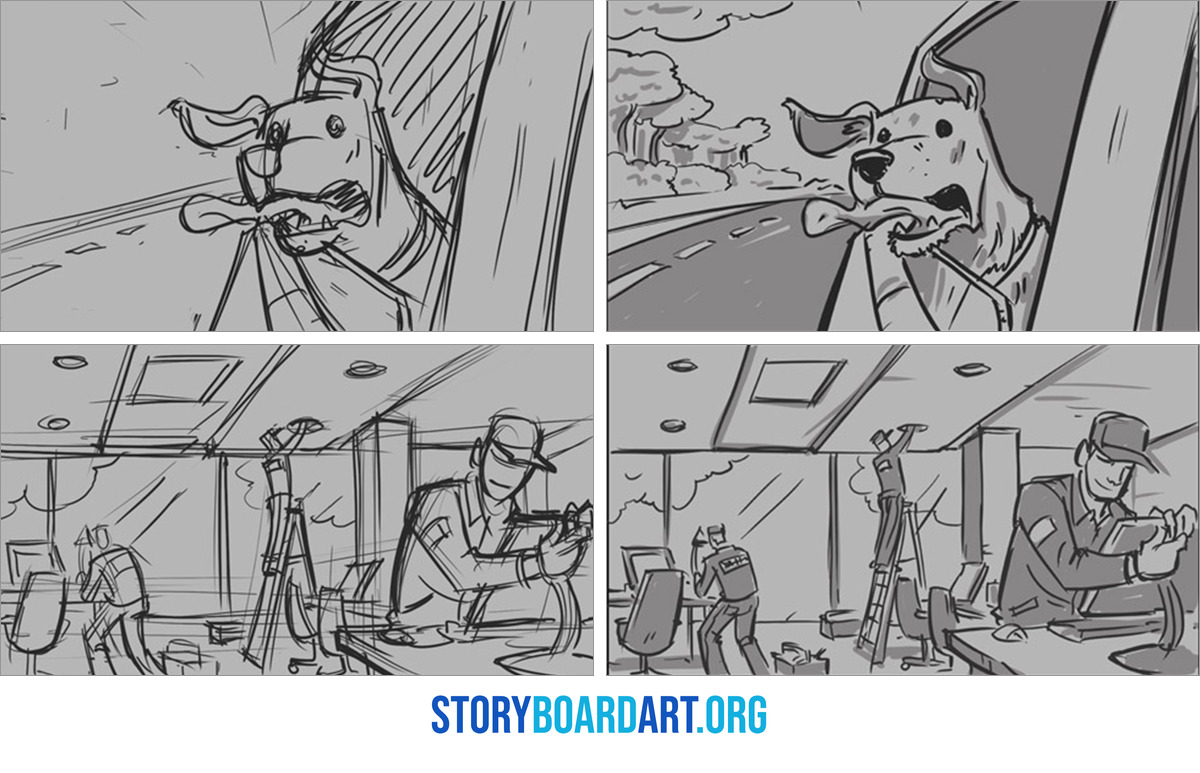
Each storyboard is made of panels, single drawings that each show one moment of a shot. A shot is one unbroken piece of film between two cuts, and a run of shots that tells one part of the story is called a sequence.
While revising, the revisionist protects three things in every panel:
- On model: every character matches the model sheets, the official drawings that show how each character looks from every angle.
- Clear staging: staging is where the characters stand and move inside the frame, the rectangle the audience sees, and it should read at a glance.
- Unbroken continuity: continuity means that where characters stand, look and move stays consistent from one panel to the next.
Storyboard revisionist jobs are found most often on TV animation series. A series has many episodes to board, so each one can go through several rounds of notes, and each round needs an artist to carry the changes through.
For a full picture of how a board is put together, What Is a Storyboard? (And How to Build One) walks through it panel by panel.
Storyboard revisionist vs storyboard artist
The clearest way to tell the two jobs apart is to look at what each one is handed and what each one hands on. Both work on the same story team toward the same episode, so the difference is where each one comes in.
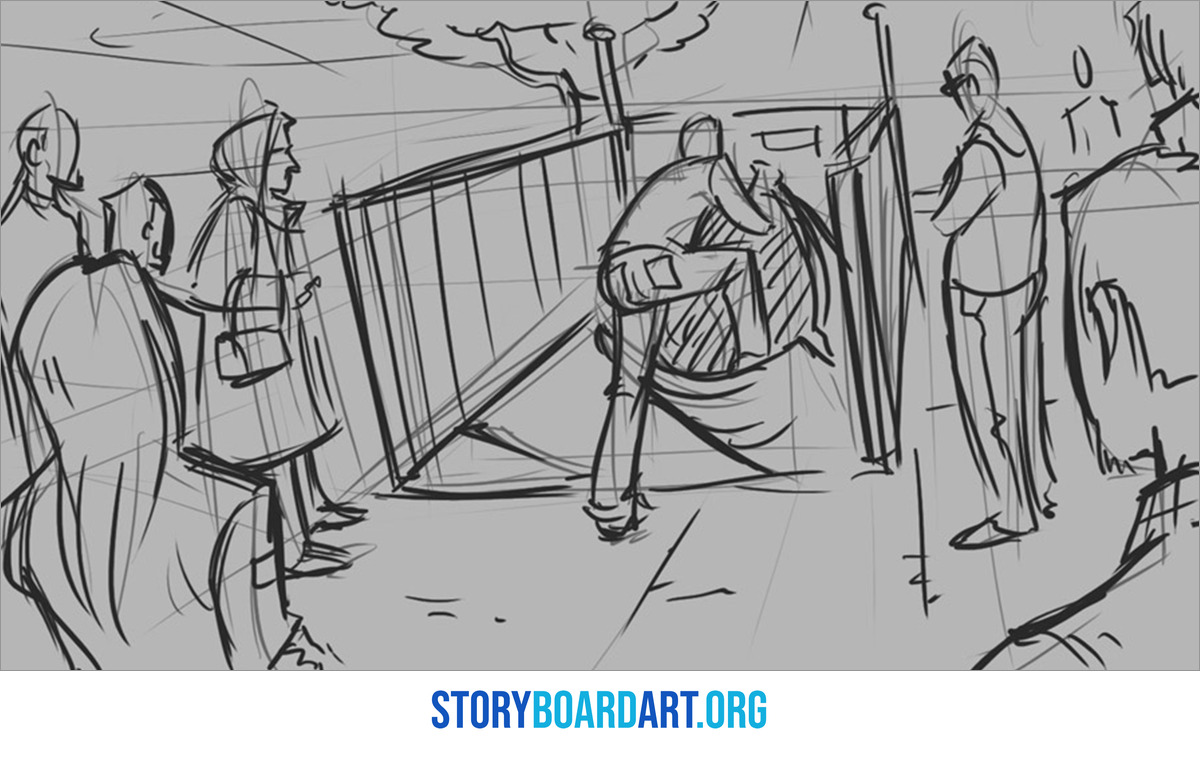
A storyboard artist is usually handed a part of the script and turns it into boards for the first time. The artist decides the shots, the staging and the acting, which means the poses and expressions that show what each character thinks and feels. What the artist hands on is the first full version of the sequence in drawings.
A storyboard revisionist is handed those boards after the director has reviewed them, together with the notes on what should change. The revisionist makes the changes, fixes anything a change breaks elsewhere and keeps the whole sequence consistent. What the revisionist hands on is a board that matches the notes and is ready for the next step.
That next step is often the animatic, where the panels are cut together in time with dialogue and sound. The two jobs overlap more than the titles suggest, because both draw on model, stage clearly and keep continuity. A big note can also mean the revisionist redraws whole shots from scratch, which is where the line between the two jobs blurs.
Animation Storyboard: How Storyboarding for Animation Works goes deeper into how storyboarding works on an animated production.
If you are weighing the two jobs, What Does a Story Artist Do? (And How to Become One) covers the story artist job in full, including how to become one.
A revision pass from start to finish
A revision pass, one round of changes to a set of boards, can be as small as one changed panel or as big as restaging a whole sequence. Whatever the size, I work through storyboard revisions in the same order:
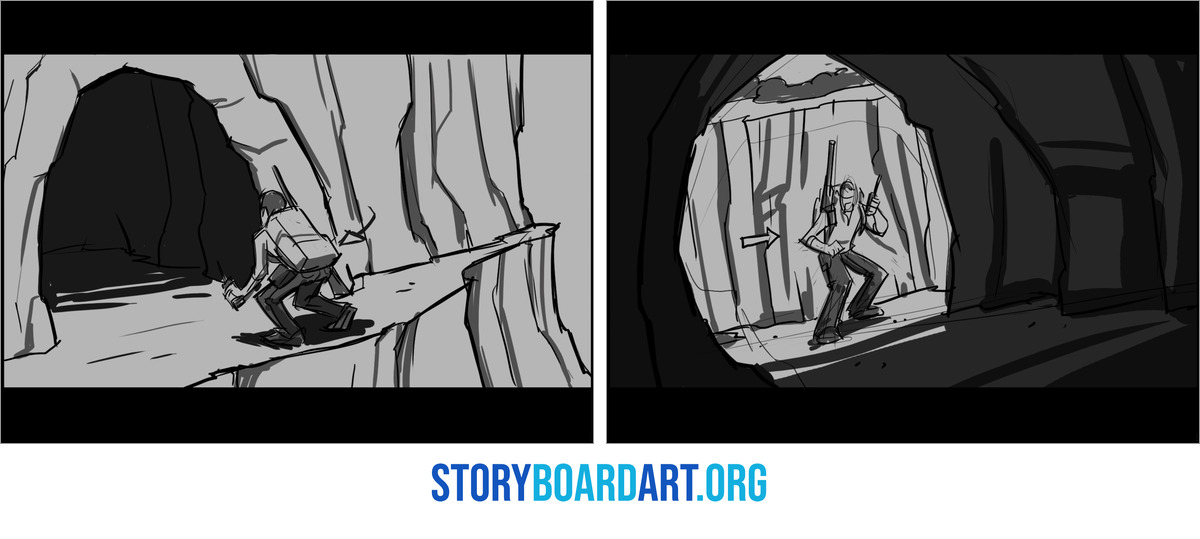
- Read the notes first: read every note on the sequence before you draw anything, and mark which panels each note touches, because one change often ripples into the panels around it.
- Fix the poses and the acting: redraw the poses and expressions the notes call out, so each character shows what they think and feel at that moment.
- Fix the staging: move a character or the camera where a note asks, so the audience can still tell who is where and what matters in the panel.
- Add or cut panels: add panels where a moment needs more time or a clearer step, and cut the ones the notes say slow the sequence down.
- Check continuity across the sequence: read the sequence from the first panel to the last and check that characters keep facing and moving the same way across the frame.
- Match the model sheets and the style: check every changed panel against the model sheets, then match the drawing style of the artist who drew the boards so your panels blend in.
The last step matters more than it looks. A revised panel that is off model or drawn in another style stands out in the animatic. It pulls the director out of the story at the very moment the note was meant to fix.
Continuity is the easiest step to miss when you fix one panel at a time. Continuity Editing: Storyboard Rules That Make Cuts Work covers the rules that keep a sequence readable from cut to cut.
Why notes are the job
Many notes are not drawing instructions at all. They describe a result the director wants, such as a moment that should feel funnier, a threat that should feel closer or a reaction that should land harder.
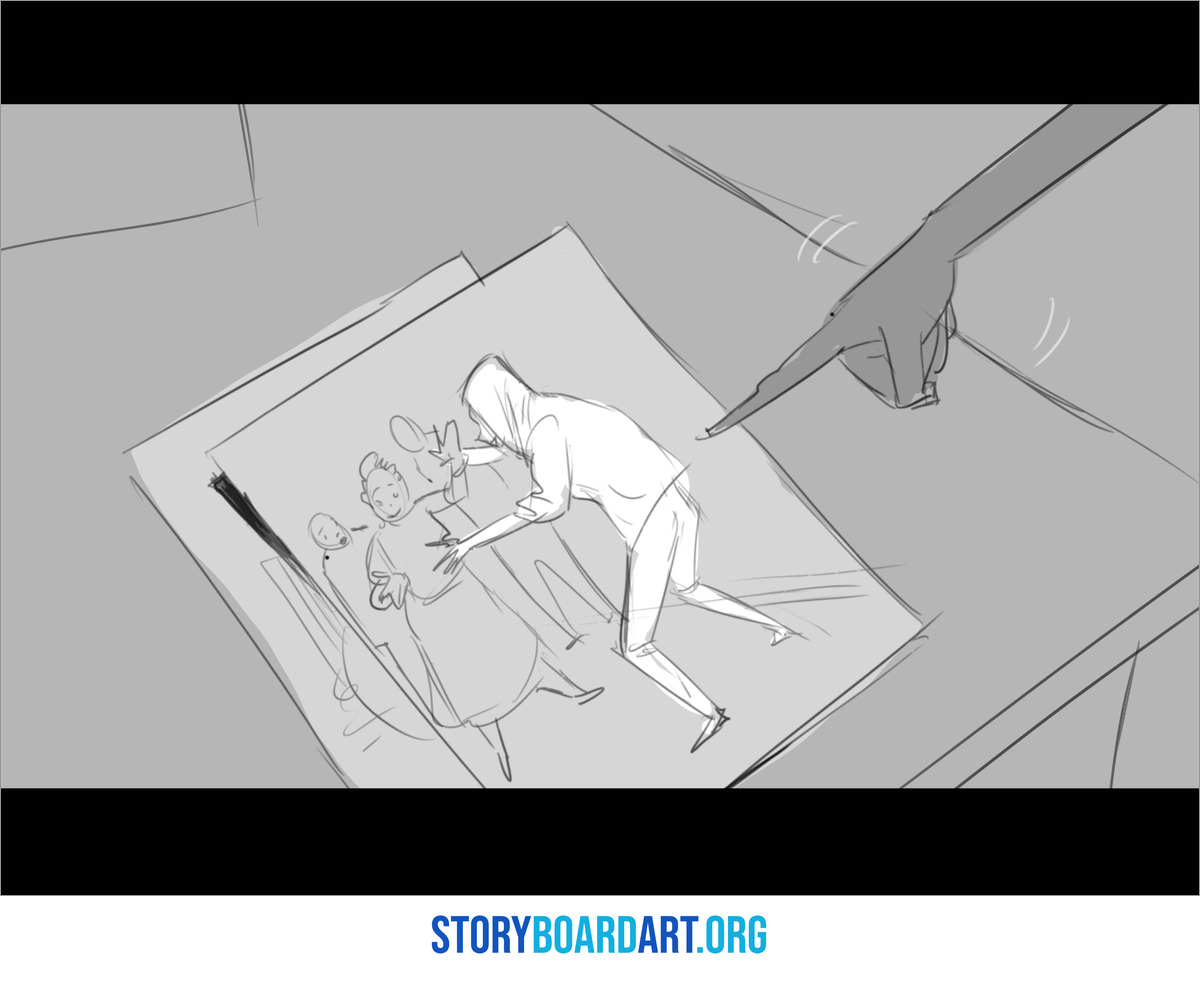
So I read every note for the result behind it before I touch a panel. If a note asks for a character to be bigger in frame, the real problem may be that the audience misses the reaction. A clearer pose might solve that better than a closer shot.
When I am unsure what a note is after, I ask before I draw. A quick question costs far less time than a revision that misses the point.
The other half of the job is learning from the notes, and the best notes are often drawn rather than written. A draw-over is when a director or a senior artist draws right on top of your panel to show the change.
I had the good fortune of working with some incredibly talented artists, and that is what you get access to once you have your foot in the door at a major studio. Steward Lee was my director on Star Wars: The Clone Wars, and he is one of the best action story artists working — he has been in the industry thirty-plus years honing it, and he almost never publishes his own work. I learned fight staging from him as he reviewed my work and drew directly over my images to show me the improvement.
That is how important the mentor-apprentice relationship is. You do not get that from a book.
The fastest learning in this industry is a veteran drawing over your work. So when a draw-over comes back on one of your panels, study it, keep it and ask what it fixed.
The skills a strong revisionist shows
A strong revisionist makes the director forget the panels were ever revised. Five skills make that possible, and a storyboard revisionist portfolio needs to prove each one:
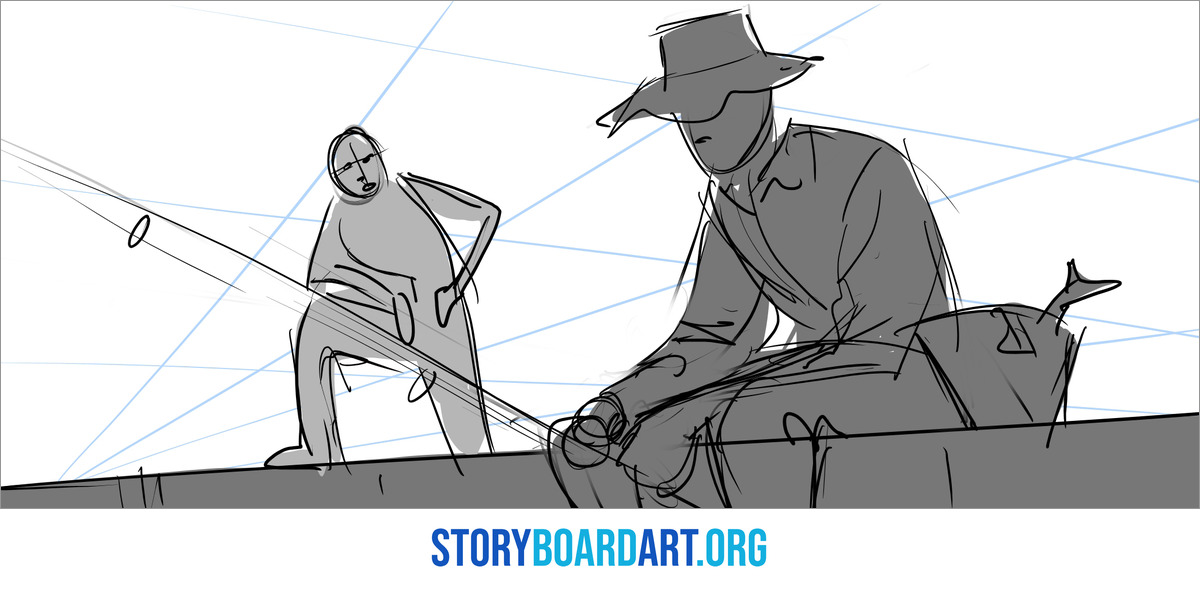
- Drawing on model: show the same characters from many angles and in many poses, matching their design every time, ideally with characters you did not design yourself.
- Clear staging: include moments where anyone can tell at a glance who is where, who is looking at whom and what matters in the panel.
- Continuity: show full sequences rather than single drawings, so a reviewer can follow every character from shot to shot without getting lost.
- Speed: a revisionist moves through many panels on every pass, so show a long sequence drawn cleanly rather than a few polished drawings.
- Taking notes without ego: show one sequence before and after a round of notes, with the notes beside it, so a reviewer sees how you handle feedback.
The last skill is the one I watch for most closely. An artist who can hear a note, find the result behind it and redraw without defending the first version is an artist a story team wants to keep.
Portfolios for Storyboard Artists has more on putting a storyboard portfolio together.
A sequence is easier to judge in motion, which is why I like to see one cut together as an animatic. Toon Boom Storyboard Pro: Build a Portfolio-Ready Animatic shows one way to build it.
The revisionist seat as a way into the story department
The story department is the team at a studio that makes and revises the storyboards for a film or a series. On many TV series, the revisionist seat is a common way into it, because the work trains the exact skills the department runs on.
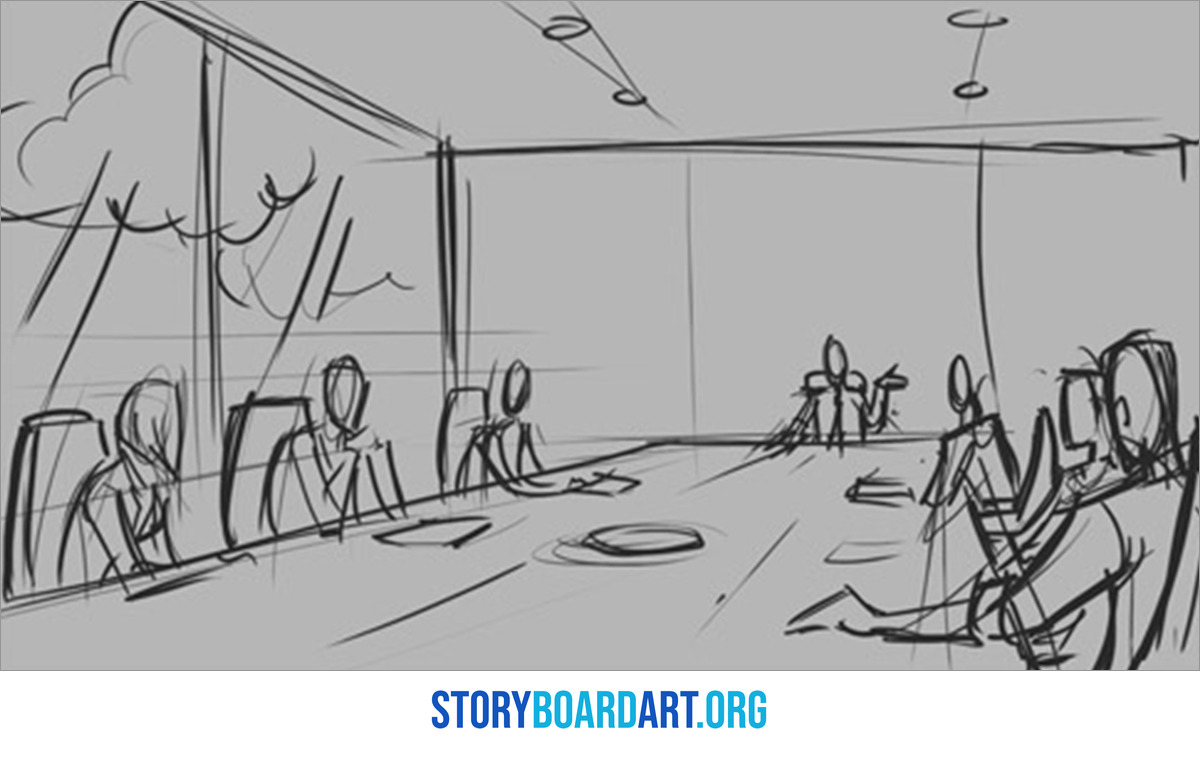
Revising boards every day means studying how other storyboard artists solved each sequence, panel by panel. Each note shows you what the director wants, and in time you start to see the fix before the note arrives. That is often the point where a revisionist is trusted to storyboard whole sequences from the script.
The path is not always neat, and it does not have to be. My own way into the industry had nothing to do with storyboards.
My first paid art job was an internship at a video game studio in San Francisco, a subsidiary of Sony Games that later closed down. I got accepted by submitting a portfolio and a job application. The game director there was a former student of the Academy of Art, where I went, and she saw potential in my work and let me in as an intern.
I had no idea what I was doing and I had no skills. Very luckily for me there were caring people on the production team who taught me what I needed to know. One of my first tasks was texture painting in Photoshop, which I had never really done.
They gave me the equipment and the instructions and I tried my best. It was short-lived. There were budget cuts at that satellite studio, and when Sony decided to stop the game development I was cut along with the other recent interns and a big chunk of the team.
You do not have to be qualified to get in the door, and being cut is often a budget decision rather than a verdict on you. A shared school and someone willing to see potential is a real way in. The revisionist seat can work the same way, because a story team that sees potential in your drawing can teach you the rest.
Once you are in, Make a Living as a Storyboard Artist covers what it takes to turn storyboarding into a lasting career.
If you work in animation in the US, The Animation Guild (IATSE Local 839) is the union that represents animation artists, story artists included.
Whichever way you come in, the habit that carries you forward is the one this job trains every day. Read the note, find the result behind it and draw it cleanly.
If you want help turning those skills into a strong portfolio, start with Free Training: Build a Killer Storyboard Portfolio, where I walk you through how to build one.
Frequently asked questions about storyboard revisionists
Is a storyboard revisionist the same as a storyboard artist?
They work on the same story team, but a storyboard artist turns the script into boards while a revisionist reworks boards that already exist to the notes. On a busy show the two jobs can overlap a lot.
Does a storyboard revisionist ever draw from scratch?
A revision can range from a small fix in one panel to restaging and redrawing a whole sequence. When a note changes the action, the revisionist redraws the changed shots from scratch, in the same style as the rest.
What should a storyboard revisionist portfolio include?
It should prove you can draw existing characters on model, stage a moment clearly and keep continuity across a full sequence. One sequence shown before and after a round of notes proves the job itself better than any single drawing.
Do you need to draw in the style of the show?
Yes, matching the model sheets and the style of the artist who drew the boards is part of the job. The goal is a revised panel that nobody can pick out from the panels around it.
