I have worked in film, TV and games for more than 25 years. During that time I have storyboarded six feature films across live action and animation, and I have worked as a storyboard artist at Pixar. I also directed episodes of Star Wars Rebels and Star Wars Resistance at Lucasfilm.
Over those years I have pitched my boards to the people I work with, and I have pitched ideas of my own. I have also heard plenty of pitches from others, so I know the animation pitch from both sides of the room.
This guide walks through the whole process in the order I use it, from the first written line to the moment someone says yes. Story pitching is a skill you can learn, and it gets easier every time you do it.
What is an animation pitch?
An animation pitch is the moment you tell a story out loud with your images, so the people listening understand it and want to sign on. There is no single right way to do it, but the goal is always clear communication.
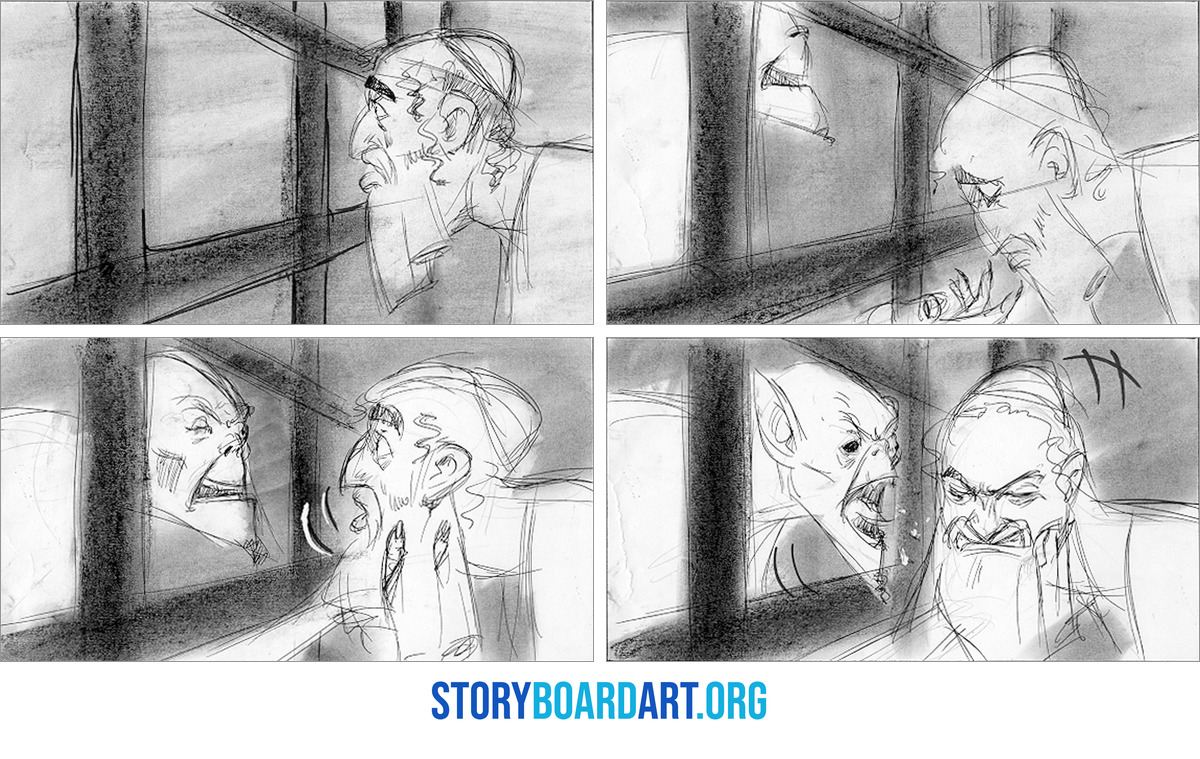
Storyboards are rough drawings that plan a film one shot at a time, and each drawing sits in a frame called a panel. If you want the full picture, my guide What Is a Storyboard? (And How to Build One) explains how they are built.
In my work there are two kinds of pitch. The first is a storyboard presentation, where you show a sequence of boards to your story supervisors and the story team. You might also show it to friends whose input you want.
A sequence is a run of shots that tells one part of the story. The story team is the group of story artists who draw the boards, and the story supervisors lead that team.
The second kind is pitching your own idea for a short film, a TV show or a feature film to people who can give it a green light. A green light means approval, money or permission to move into the next phase of development.
Both kinds lean on the same skills, so most of this guide applies to either one.
You can show your boards in two ways. You can click through the panels on a screen while you talk, or you can cut them into an animatic. An animatic is the panels edited together in time with temporary sound, so it plays like a movie.
The guide What Is an Animatic? How Storyboards Become a Timed Scene goes deeper into how that timing works.
I like pitching the raw panels best, because I can guide the timing and explain whatever the drawings leave unclear. Storyboards are meant to be rough and easy to throw away, so they do not have to say everything on their own.
Start with the goal and a logline
Before I draw anything, I decide what the end format will be. It might be a short film, a TV show or a feature film. It could also be something else, such as a game or a mobile app.
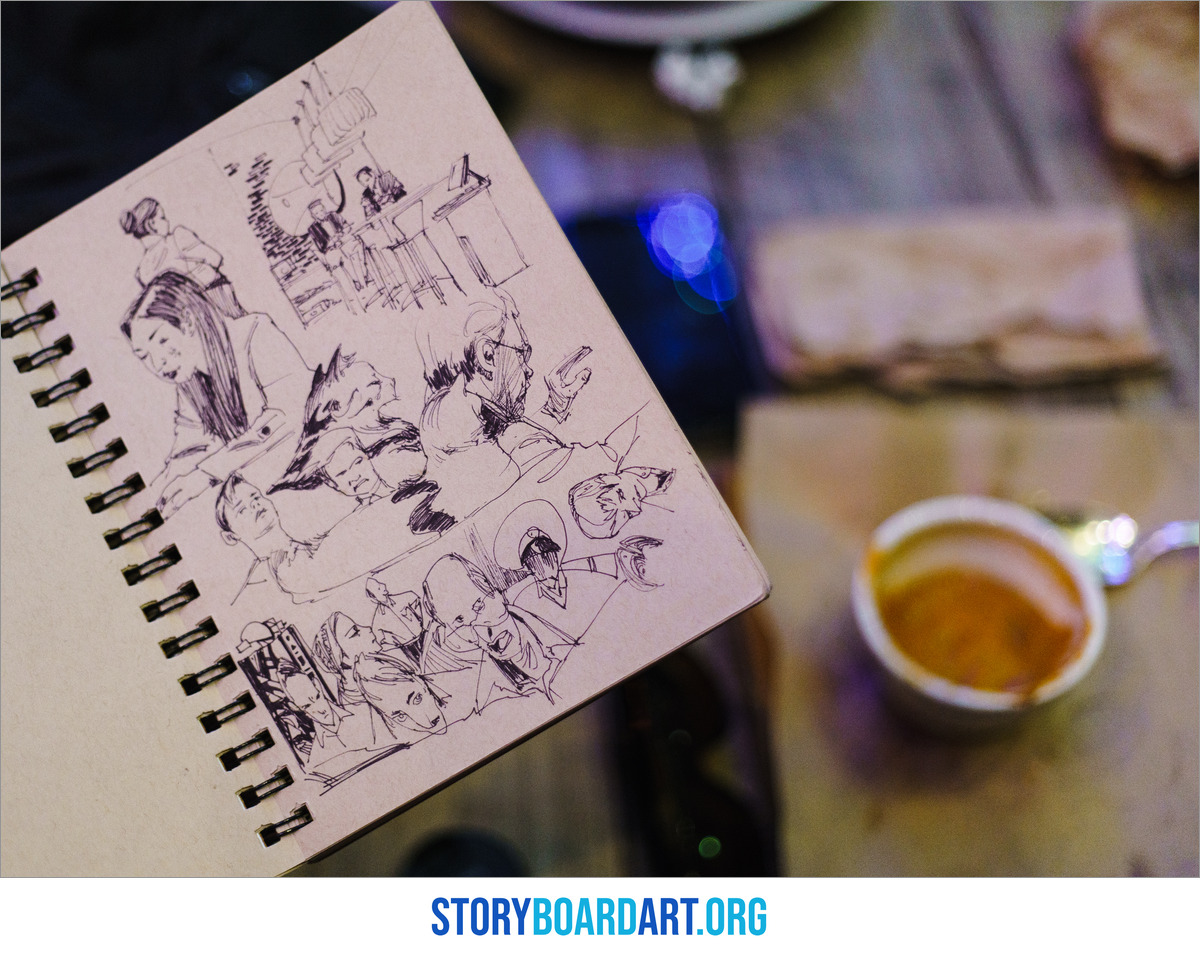
Then I keep every part of the pitch consistent with that target. I avoid switching formats in the room just to get a yes. Instead I bring a thorough pitch package, meaning all the material that presents the idea, planned around that one format.
The format shapes the story you tell. For an episodic show, where the story runs across episodes, I carry the story arc across those episodes and pitch the major beats of each episode in order.
A story arc is the path the story follows from beginning to end, and a beat is one moment where the story moves forward. For a feature film, I pick out the main through line, the thread that runs through the whole story, with its beginning, middle, end and climax. The climax is the high point, where the main conflict comes to a head.
I do not start making images right away, because I write the idea in words first. A logline is one or two sentences that condense the whole story, and it is also called an elevator pitch. Writing one forces you to find the heart of the story.
I help people develop their ideas, and many pitches that come across my desk ramble for a whole paragraph. That tells me the writer has not found the heart of the story yet, while an idea told in one or two sentences shows you are on to something.
Writing like this is a story skill as much as a drawing one, and Story Structure and Writing for Storyboard Artists goes further into it.
I build a logline from three parts:
- The main character, with a few words that describe them.
- The problem the character has to overcome to reach a goal.
- What happens to the character if they fail.
Here is an example I made up on the spot to show how the parts fit together.
Bob, a young, ambitious but introverted teenager, accidentally blows up the homecoming float. If he cannot convince everyone he can build a better one, he will be expelled and run out of town.
The describing words tell you who Bob is, the float he blew up gives him a problem to overcome and being expelled shows what happens if he fails.
The stakes are what the character stands to lose, and raising them makes an idea stronger. A twist, meaning an unexpected turn, helps too: move his high school to outer space or under the sea, and a familiar idea becomes unusual enough to be worth backing. Backing means someone is willing to fund it and give it a green light.
Turn the idea into pitch boards
Once the logline works, I ask myself if I can design one key image that sums up the whole idea. Pitch boards are the drawings you show during the pitch, and the key image is the first one I make.
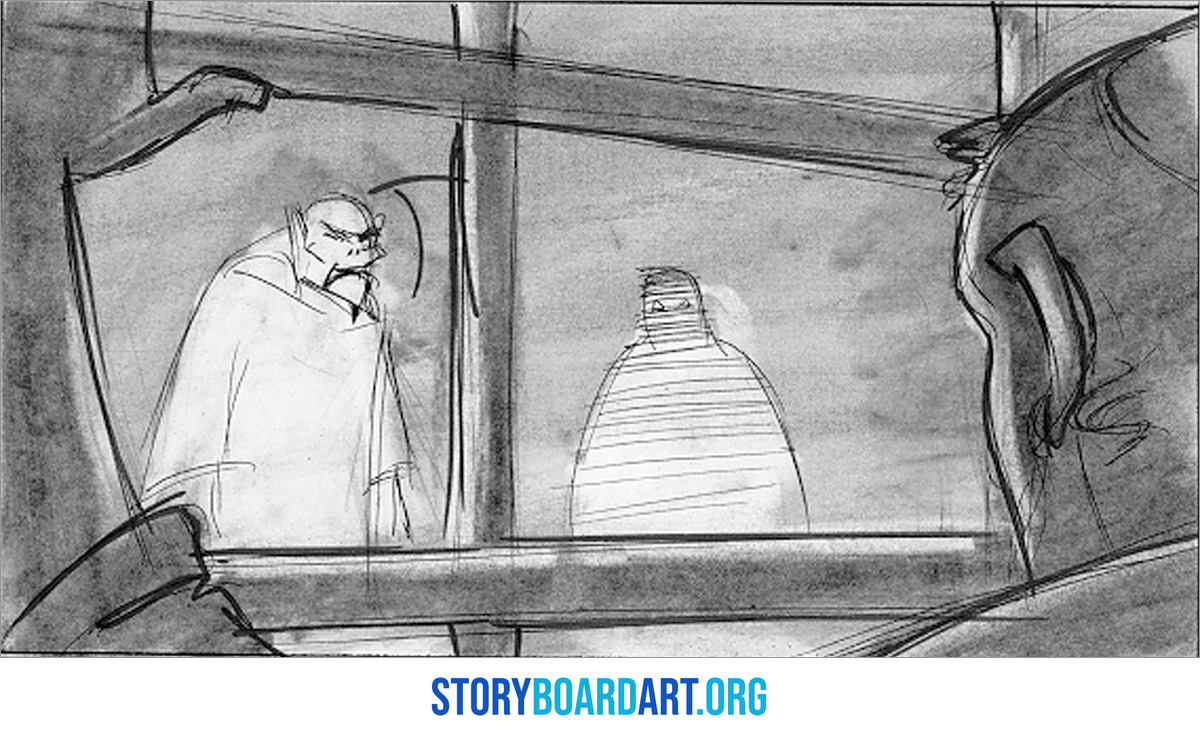
For the example I made up, I would pick the crisis moment, when everything goes wrong at once. The float smokes in the background while Bob, in the foreground, tries to escape, caught holding the electrical wires he was trying to fix. The foreground is the part of the picture closest to the viewer, and the background is the part farthest away.
A key image like that has to tell the story and make it very clear, even before you say a word.
Next I outline the major story beats, five or more, starting with the introduction of the character and the setting. For Bob, that means showing who he is and where he is in the town. String five or six of those images together and you have a pitch deck, the set of images you walk people through.
Each image has to tell its part of the story clearly, because the finished film will be visual. I admit I am biased, since I like making images, but people follow the images and really get excited.
Pitching is one stage of the storyboard process in animation, and Animation Storyboard: How Storyboarding for Animation Works shows where it fits.
Thumbnails, which are small, quick sketches, let you try the order of your beats before you commit to finished drawings. My Thumbnail Sketch Guide: Fast Fixes for Broken Sequences shows how to use them when a sequence is not working.
For a sequence pitched to the story team, the same preparation means checking it against the scenes before and after it. A scene is one stretch of the story in one place and time, and you want to check the fit up front, before the hard work goes in. I learned that the hard way.
I worked really hard on a sequence that was a character moment on a particular project. When I pitched it to the team I almost immediately felt how out of place it was, given the scenes before and after it.
Even though I had worked hard on it, I got direct and honest feedback that showed me I should have identified those issues up front, and that it should be cut from the project. It was.
It was disappointing at the time, but it taught me a big lesson about preparation, research and communication, so that I never got that uneasy feeling again. These are the necessary moments when you are learning to pitch and to work with a team: they have to happen so you learn how to do it better next time.
Effort alone does not save a sequence that does not fit the scenes around it. Check the fit before you spend days on the drawings, and a cut becomes a lesson instead of a loss.
How to deliver a story pitch
A good pitch does not require dancing around or acting like an extrovert, although a strong delivery helps. What helps more is practice: run through the pitch many times before you give it in front of anyone.
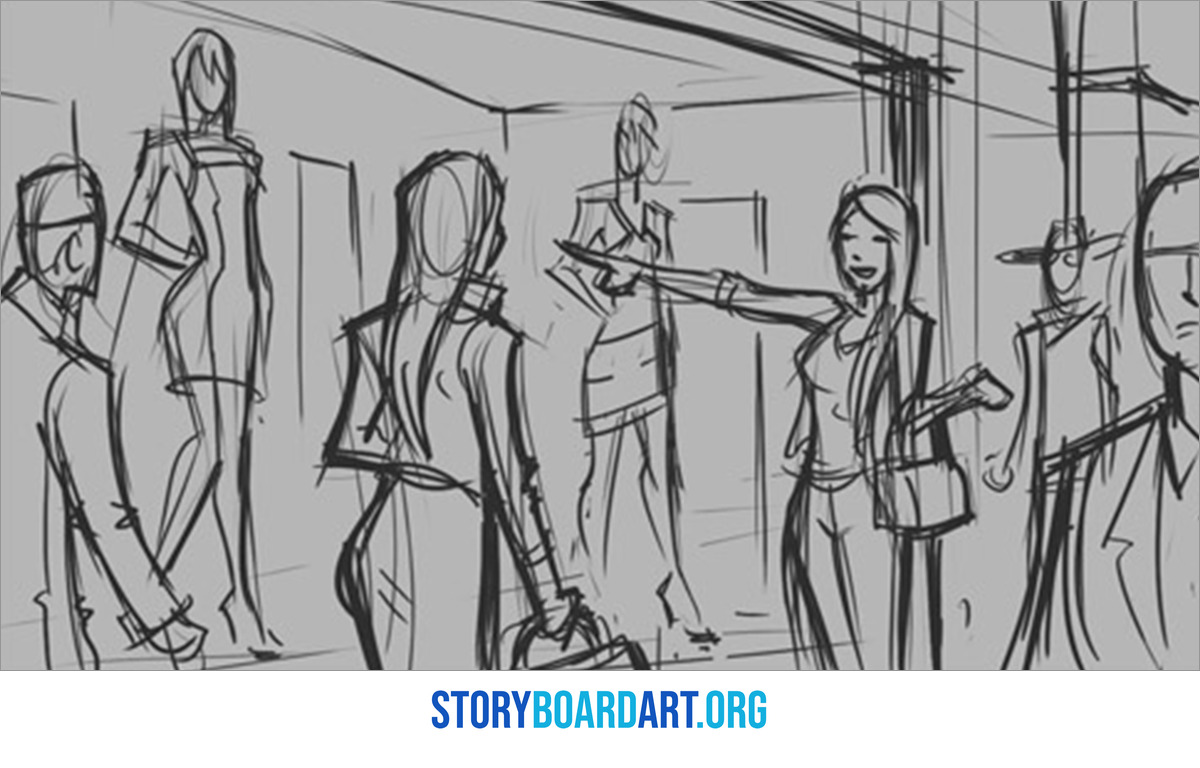
In the room, I guide the timing and fill in what the drawings cannot show, which is why I like pitching from the raw panels.
A story project almost always needs many people to make it, and the pitch is how you bring them on board. This is where your storytelling skills come in, because the pitch has to be clear and convincing.
Then I design the pitch around what is in it for the people listening. I make sure it shows them three things:
- Why the idea is a win for them as well as for you.
- How the story can reach a wide audience.
- The universal human through line that lets it travel across countries.
A universal human through line is a feeling or need that people share wherever they live, so the story makes sense in any country. Not every story has to please everybody, but a wider reach makes the win easier for them to see.
The sign that a pitch worked is someone saying they cannot wait to see the film. When I hear that, I know I have done my job.
Pitching is a regular part of the job I describe in What Does a Story Artist Do? (And How to Become One), so the practice keeps paying off.
Watch: Secrets to Effective Story Pitching: Tips from An Industry Expert
Nerves and sharing your ideas
Confidence comes from pitching again and again, and I learned that from my own first pitch.
I remember the first time I pitched in front of a team of artists. I was young and new to the team. I was so nervous my hands were shaking as I was pitching on the whiteboard.
That experience helped me get over my fear, since I realized no one was going to eat me or cut my head off after my presentation was done. The more you pitch in front of others the easier it gets, and it actually becomes fun. I now enjoy presenting my work to others even if I think the story is still raw.
The fear of showing unfinished work is real, but you can get through it. Only repetition makes it fade, and on the other side of it you start to enjoy the room.
I am also not afraid to tell people what ideas I am working on, unless a non-disclosure agreement covers them. When one does, I reveal nothing that should stay confidential. A non-disclosure agreement is a contract that says you will keep the details of a project secret.
Otherwise I share freely, because nobody else would make the project the way I would make it. The same is true for you, since your version of an idea is the one only you can make. I also love the thrill of taking someone through the experience of a story.
A professional keeps more than one idea ready. If a similar project comes out, it is no big deal, because I just move on to the next one.
What gets a pitch heard
There is a myth that one great idea will make your phone start ringing. It does not quite work that way, because a great idea alone rarely sells.
The people who give a green light need to trust that you can deliver. That trust usually comes from a reputation built on a story team, or from directing or producing the kind of work you are pitching.
Some people call that kind of track record street cred, and you earn it by working your way up. Then you can show that you have good ideas and the means to produce them, either yourself or with a team.
If you are looking for a way onto a story team, Storyboard Revisionist: The Job, the Skills and the Way In covers one way in.
In the US, The Animation Guild (IATSE Local 839) is the union that represents animation artists, story artists included.
In a development meeting, executives or producers hear new ideas and decide which ones to move forward. Executives are the people at a company who approve projects, and producers are the people who put a project together and see it through. Getting into that room takes connections and groundwork, and it is easier said than done.
A niche idea is made for a smaller and more specific audience, and a very personal idea can reach fewer people too. I love watching stories like that, and I really support the underdog who wants to tell them. Those ideas take more work, though, because they need proof that an audience wants them.
A crowdfunding campaign can give you that proof, and so can a following on social media. Crowdfunding means many people each give a little money to help fund a project before it is made.
Every pitch you give, whether it lands or not, makes the next one easier. Start with a clear goal, write the logline, draw the key image and practice until the pitch feels natural.
A strong portfolio is a good place to start building a track record, and my Free Training: Build a Killer Storyboard Portfolio shows you how to put one together.
Frequently asked questions about animation pitches
What is a story pitch in animation?
A story pitch is telling a story out loud with images so the people listening understand it and sign on. It can be a sequence shown to your story team or your own idea shown to the people who can give it a green light.
How long should a logline be?
A good logline is one or two sentences that condense the whole story. If it runs to a whole paragraph, the heart of the story has not been found yet.
How many images go in a pitch deck?
I outline five or more major story beats, and five or six of those images strung together make a pitch deck. Each one has to tell its part of the story clearly.
Should I pitch with raw panels or an animatic?
Both work, and there is no single right way to do it. I like the raw panels because I can guide the timing and explain what the rough drawings leave unclear.
How do I get over the fear of pitching?
Pitch again and again, because confidence comes from repetition. Each pitch in front of others makes the next one easier, and it can even become fun.
