Contents
- What degree do you need to be a storyboard artist?
- What do studios look for in a storyboard artist?
- What art school taught me, and what it skipped
- What a degree does give you
- Weigh the cost before you sign loan papers
- What to do with your portfolio this week
- Frequently asked questions about storyboard artist education
For more than 25 years, studios in film, TV and games have hired me to tell their stories in pictures. Along the way I have storyboarded six feature films in live action and animation, worked as a storyboard artist at Pixar, and directed episodes of Star Wars Rebels and Star Wars Resistance at Lucasfilm.
One question reaches me more often than almost any other, from people at every stage of a career: what do studios look for in a storyboard artist? A storyboard artist draws a film or show as a series of pictures, called boards, so the whole crew can see the story before it is made. The question usually arrives as one about storyboard artist education requirements, so this guide starts there and then shows you what studios check, all the way to what you can do about it this week.
What degree do you need to be a storyboard artist?
The short answer is that studios do not hire storyboard artists on the strength of a degree. In all those years, no studio has ever asked me for my diploma, and that includes Pixar and Lucasfilm.
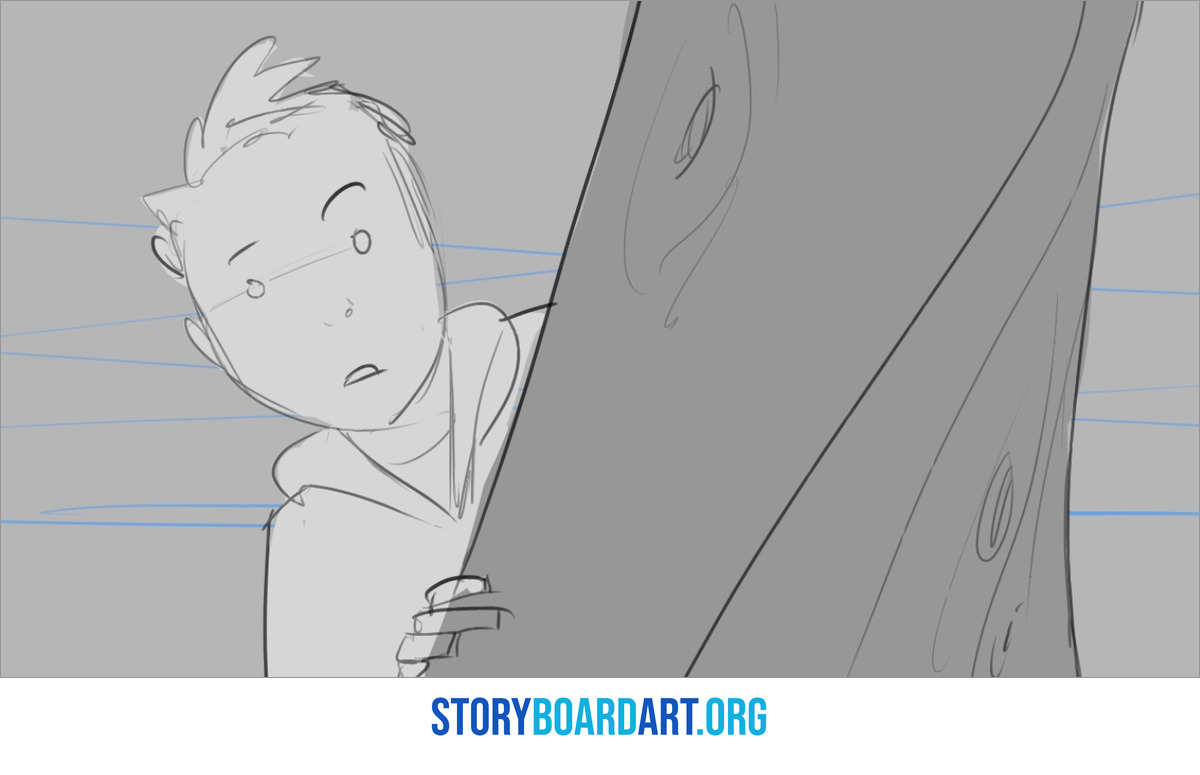
Instead, a recruiter, the person at a studio who finds and screens artists, looks at your portfolio, meaning the collection of work you send when you apply. Inside that portfolio, they look for storyboard sequences, which are runs of panels that tell a scene shot by shot. A panel is one drawing that shows a single moment, and a shot is one unbroken view from a single camera position.
When a recruiter opens your portfolio, they are asking one question: can this person take a scene and turn it into shots an audience will follow? Sequences answer that question, because they show you can tell a story with a camera. Where you studied does not answer it at all.
That is why the storyboard artist qualifications that count are the ones a recruiter can see. A degree is not on the screen when a recruiter reviews your work, but your boards are. The portfolio is the credential, and everything else is decoration.
This is good news whatever your background, because it means the door opens for anyone who can show the work. You can practice that work, measure it and improve it, which you cannot do with a diploma.
Storyboard artists in animation are often called story artists, and the guide What Does a Story Artist Do? (And How to Become One) covers that job in depth.
Watch: Do You Need an Art Degree to Be a Storyboard Artist?
What do studios look for in a storyboard artist?
The storyboard artist requirements that matter come down to one thing: three to five solid storyboard sequences. Each one should be a complete scene told in panels, with a beginning, a middle and an end. Three to five is enough to show variety, and few enough that every one of them can be strong.
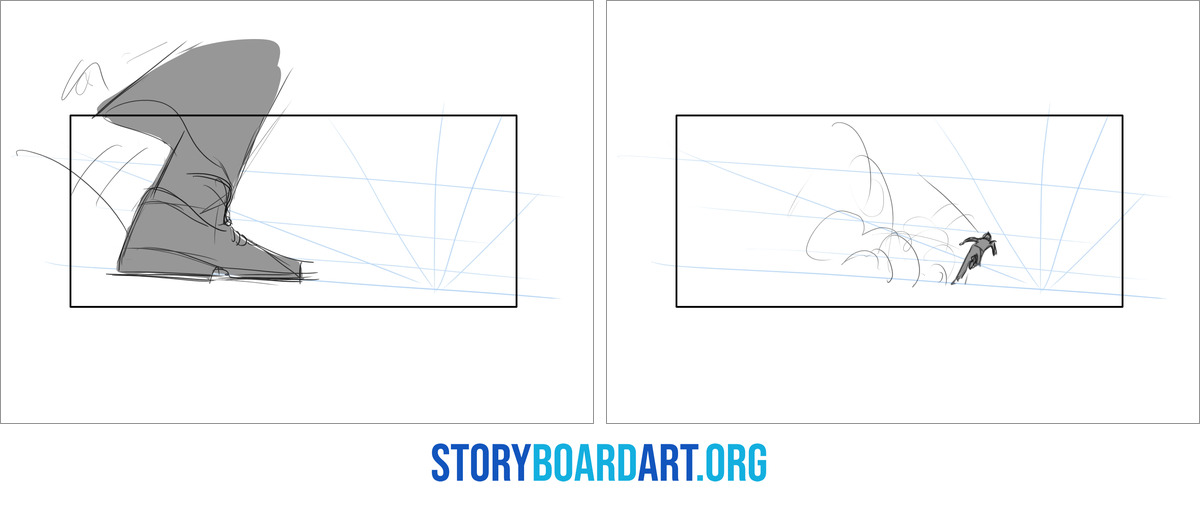
When I look at a sequence, solid means four things:
- The storytelling is clear enough that someone could follow the scene with no dialogue at all.
- The shots vary, and each one has a purpose. A wide shot shows the whole space, a medium shot frames a character from the waist up and a close shot fills the frame with a face or a detail.
- The staging guides the eye, so the viewer knows exactly where to look in each panel.
- The film language is real, meaning the cuts and camera choices would work if the boards were filmed or animated as drawn.
This is why graduates with beautiful portfolios still get rejected. Their pages are full of gorgeous drawings and hold no sequences at all. The recruiter is hiring a visual storyteller rather than an illustrator, and a single finished image cannot show storytelling across shots.
Drawing skill matters, and I would never tell you otherwise. But a clear board with average drawings beats a confusing board with beautiful drawings every time. Studios don't hire artists who can draw; they hire artists who can think in shots.
If your boards feel flat, with every panel at the same distance and angle, Different Camera Shots in Film: Fix Flat Storyboards shows how to vary them with purpose.
How you present your sequences matters too, and Portfolios for Storyboard Artists covers how to put a storyboard portfolio together.
What art school taught me, and what it skipped
I went to art school, and it taught me figure drawing, still life and illustration. Figure drawing means drawing people from a live model, and still life means drawing arranged objects, while illustration means making a single finished picture. All of that was useful, but none of it is what a story department hires for.
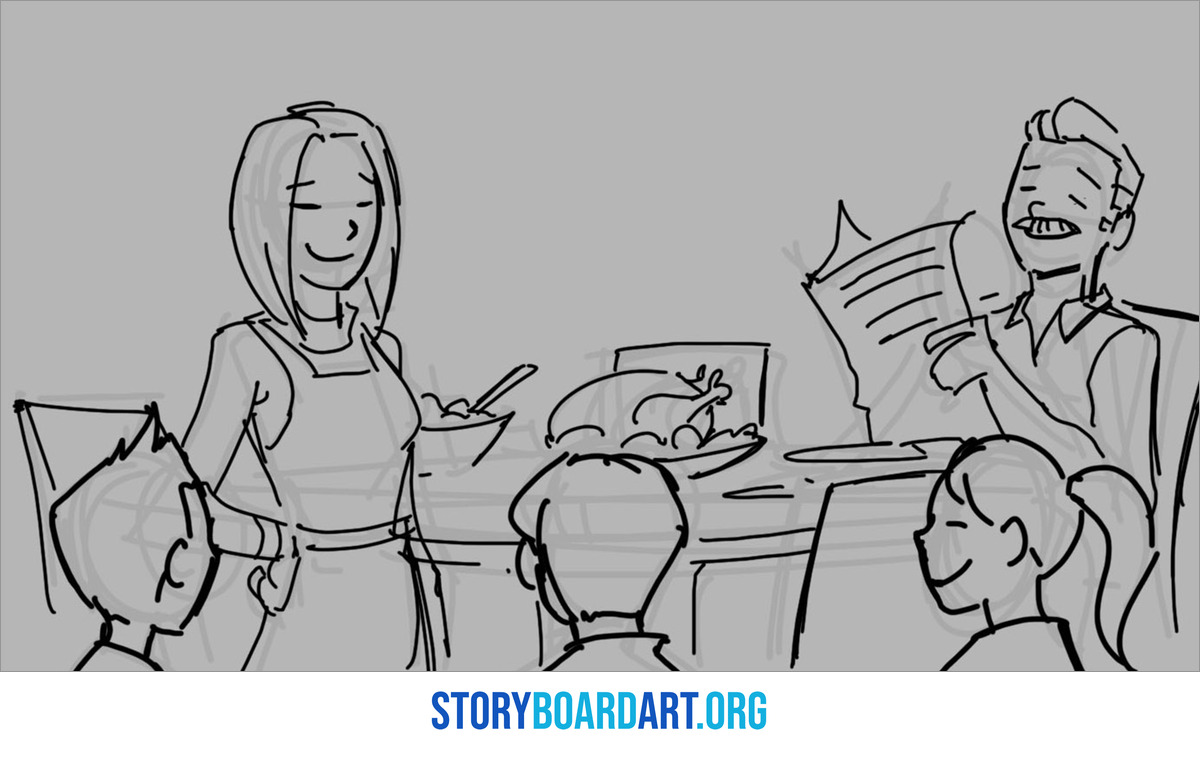
A story department is the team at a studio that turns the script, the written version of a film, into boards. It hires for film language, staging and shot choice. My art school skipped all three of them entirely.
Film language is the set of choices that make a sequence read on screen, from where the camera sits to how one shot cuts to the next. Staging is how you place characters and objects in the frame, the edges of the picture, so the eye goes where the story needs it. Shot choice is picking the right shot for each moment, and knowing why it is right.
The turning point came when I found mentors, artists working in the industry who were already doing the job I wanted. A mentor is an experienced professional who guides you, reviews your work and tells you the truth about it. My mentors taught me the skills art school had skipped, and those skills, learned after the degree I already had, are what got me into Pixar.
I sum up that whole stretch of my life in one line. The degree got me debt, and the mentorship got me the job.
When someone asks me whether school is required, this is what I tell them.
Find somebody else who has done what you want to do and see if you can latch onto them like a barnacle. I did not know what I was doing. I had no guiding path to get there.
If I had found somebody, instead of paying the outrageous amount of money I paid in college, and said, I want to be doing what you are doing, will you please mentor me and show me how, maybe that would have worked.
The degrees you get, especially in my field, are worthless. You need the skills, not the piece of paper. At a certain point nobody cares where you came from, they just care what you can actually do.
That is the heart of it: skills and a mentor count for more than the diploma, because studios hire on what you can show them.
What a degree does give you
The paper itself carries no weight with a studio, but the training behind it can. A good art education gives you structure, foundational drawing skills, deadlines and classmates who push you to get better. Those are real advantages, and they stay with you long after graduation.
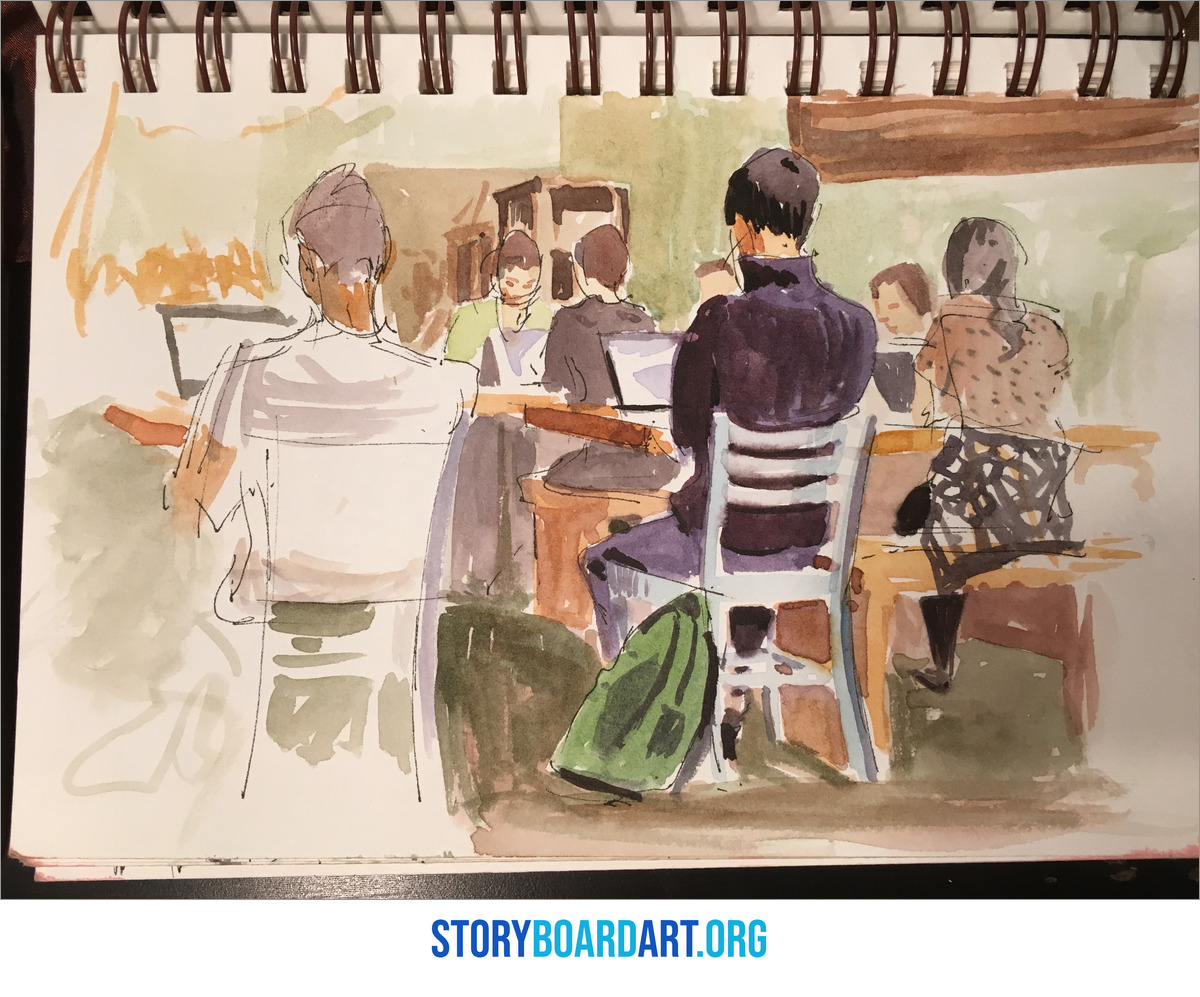
Structure means someone else sets the order you learn things in, so you build skills on top of each other. Deadlines teach you to finish work on time, which matters on every production. Classmates give you a daily standard to measure yourself against, and the good ones make you work harder.
If you already went to art school, none of it is wasted. Your draftsmanship, meaning your ability to draw people, places and objects clearly and convincingly, is the raw material every storyboard is built from. What is missing is the storyboarding layer on top, and that layer is learnable in months, not years.
On a board, those skills show up as clear poses, believable spaces and characters who look the same from one panel to the next. What art school rarely teaches is how to arrange those drawings into shots that tell a story. That arrangement is the storyboarding layer, and it is a separate skill from drawing well.
To check which drawing skills carry over and which still need work, read The Drawing Skills Every Storyboard Artist Needs to Master.
The problem is not school; it is expecting a general art education to produce a specialized professional portfolio. Art school trains artists in general, while a story department hires a specialist, so the gap between the two is yours to close. The good news is that you can close it with practice and honest feedback, without starting over.
Weigh the cost before you sign loan papers
If you have not gone to art school yet, think very hard before you take on student loans. A student loan is money you borrow for your education and repay, with interest, long after you finish. That debt follows you into every career decision you make, including which jobs you can afford to take.
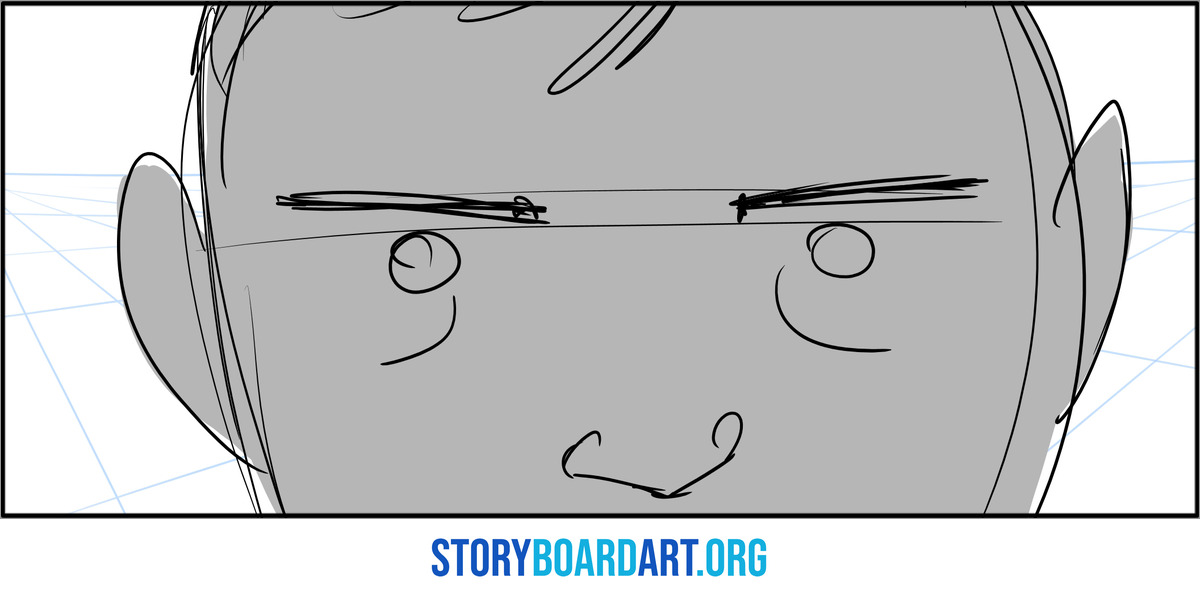
Before you sign anything, ask any school you are considering one question: show me graduates working in story departments right now. A good answer names real people in real jobs today, not a few famous former students from decades ago. If the school cannot answer, that tells you how well it prepares artists for this particular job.
I know what that debt feels like from the inside, and this is how it went for me.
If I remember correctly I had a $500 or $600 a month payment on my student loans, and it took me ten years to pay that debt off. I was able to find steady work as I increased my skills, improved my portfolio, and landed jobs at smaller studios and doing freelance. I was always focused on my career and I never gave up drawing, even though the finances were tight.
I found a way to live lean. I had a small apartment with affordable rent, my other expenses were under control, and I was very frugal. I mostly focused on work.
All of my free time was filled with things I loved doing anyway: watching movies, going out sketching on weekends, being with friends who were also into art and film. By doing that I created an environment where the focus was on art and on improving my skills.
The debt was survivable, but it shaped years of my career. The way through was not dramatic: steady work, living lean and a life built around practice. If you already carry loans, that is the part I want you to hear, because the path exists even when the money is tight.
Freelance work, meaning short paid jobs for different clients rather than one staff position, was part of how I kept working through those years. If freelance is part of your plan, read Freelance Storyboard Artist: How to Find Work and Get Paid before you take your first client.
The money side of an art career deserves its own plan, built before the loan payments start rather than after. For a wider look at earning a living from this work, read Make a Living as a Storyboard Artist.
What to do with your portfolio this week
Here is something you can do this week, whatever your training: open your portfolio and count the storyboard sequences in it, not the illustrations. If the answer is zero, that explains the missing callbacks, meaning the replies that never came after you applied. It also shows you exactly what to fix.
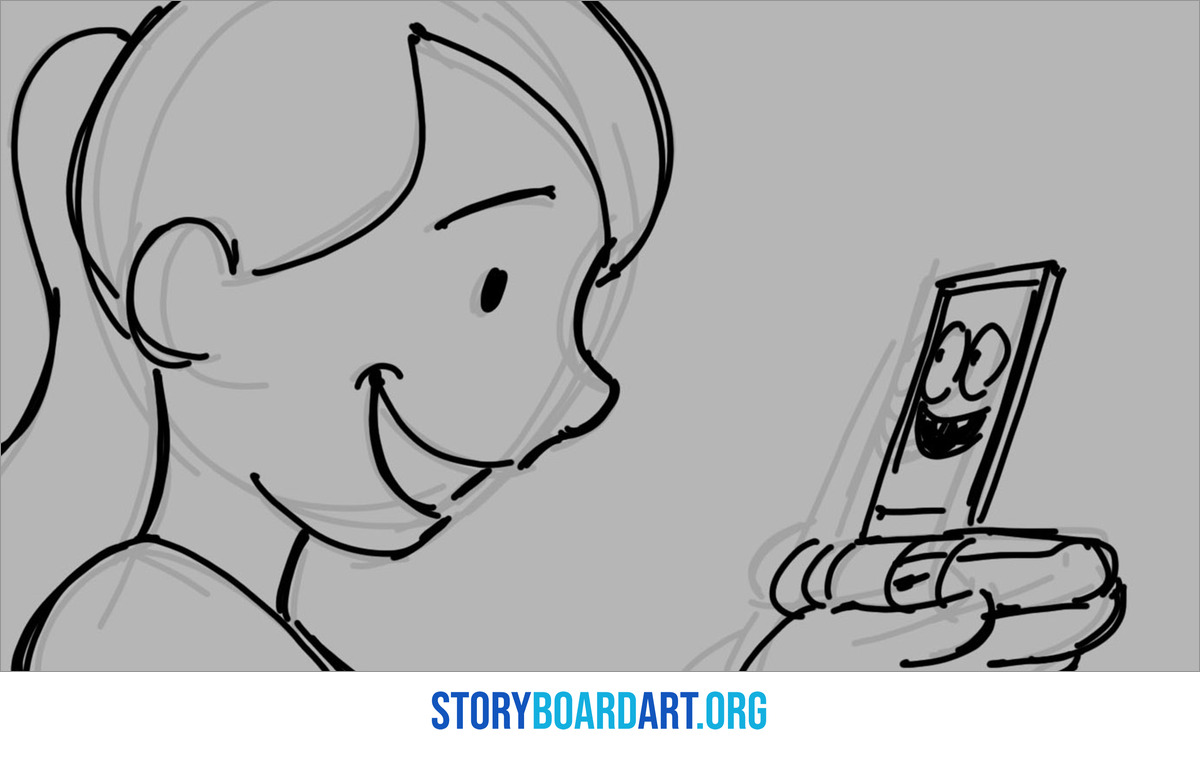
Then take a one-page scene and board it, which means drawing it out as a storyboard. The scene can come from a script you find online, or from a scene in a favorite movie that you reimagine your own way. Aim for clear rather than pretty, because clarity is the skill you are proving.
When the sequence is done, show it to working artists who will give you honest feedback. Feedback from someone who does this job every day shows you problems you cannot see in your own work. It is the same thing my mentors did for me, and it is still the fastest way I know to improve.
Story work is an organized profession with its own community. In the US, The Animation Guild (IATSE Local 839) is the union that represents animation artists, story artists among them. Wherever you live, the people doing this work are the ones whose feedback counts.
The rest of your skills will come on the job, which is how I built mine. One role where that learning happens is the storyboard revisionist, the artist who updates existing boards after each round of notes from the director. To see what the role involves, read Storyboard Revisionist: The Job, the Skills and the Way In.
So when someone asks me about storyboard artist education requirements, my answer is always the same: build the sequences, find the mentors and let the work speak for you.
If you want a guided place to start on those sequences, begin with my Free Training: Build a Killer Storyboard Portfolio.
Frequently asked questions about storyboard artist education
Do you need a degree to be a storyboard artist?
No, you do not need a degree, because studios hire storyboard artists on the strength of their portfolios. What a recruiter wants to see is three to five clear storyboard sequences, not a diploma.
Is a storyboard artist degree worth the cost?
It can be worth it for the structure, drawing skills, deadlines and classmates it gives you, but the paper alone will not get you hired. Before you take on student loans, ask the school to show you graduates working in story departments right now.
What storyboard artist qualifications matter more than a diploma?
Clear storytelling, shot variety, staging that guides the eye and real film language matter most. All four show up in your storyboard sequences, and none of them shows up on a diploma.
What should you learn instead of an art degree?
Learn film language, staging and shot choice, ideally from mentors who work in the industry and will review your boards honestly. Then prove those skills with three to five storyboard sequences in your portfolio.
